Over 2024 as part of 9ft in Common: A Manifesto for the Alleys we are building various resources and ‘how to’ guides which are designed to help anyone with alley aspirations to get started.
Rallying the Neighbours
You have an alley.
You have ideas and ambitions.
But you don’t want to do it alone.
Here’s a template letter which might be a usefull starting point for conversations with your neighbours.
Feel free to edit as needed.
Alley Growing Potential
Jo Facer of Laurebank Farm is leading our ‘Growing Potential’ action research specificically looking at the food production potential for alleys. As well as the hands on work with 3 selected alleys each month she will be produce VIDEO GUIDES which can help anyone who wants to grow more at home to get started.
Video 1. Where to Grow
Key Points
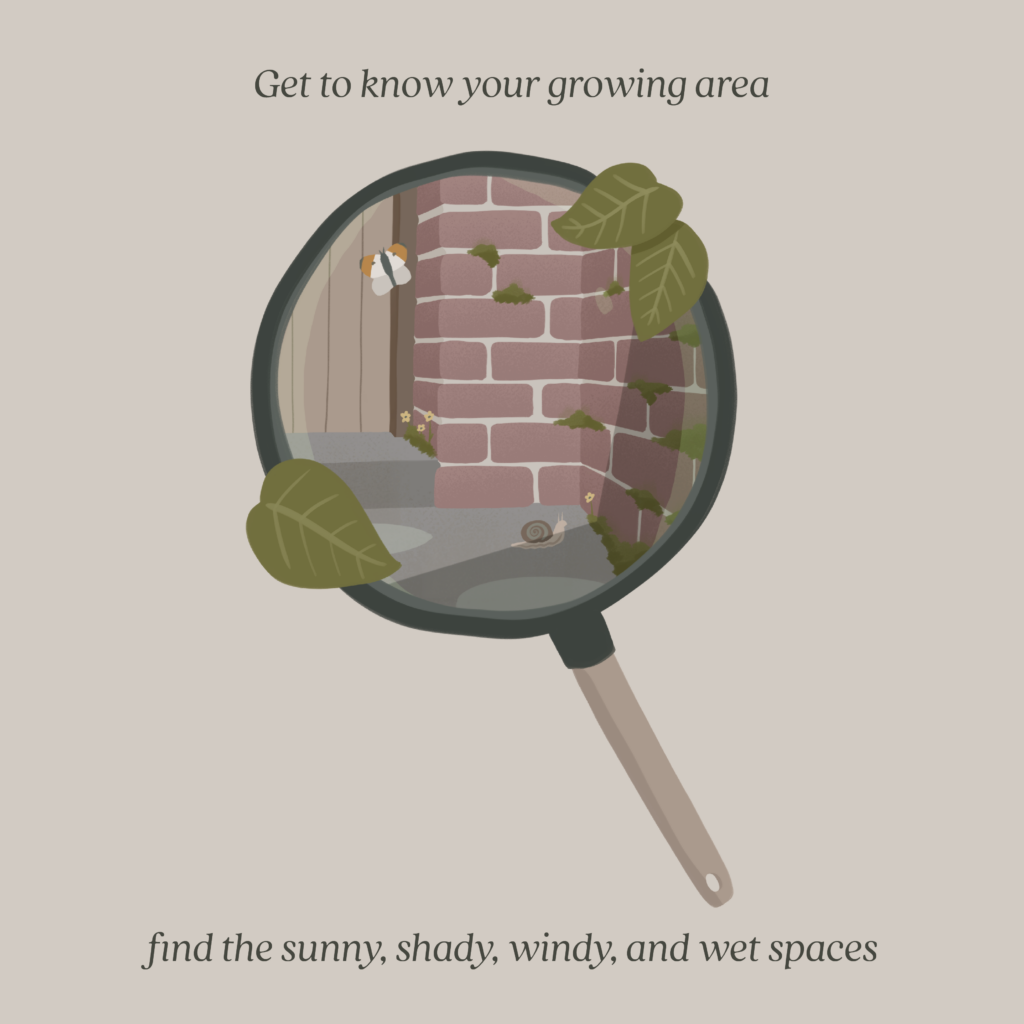
1) Get to know your growing space – find the sunny, shady, windy and wet areas.
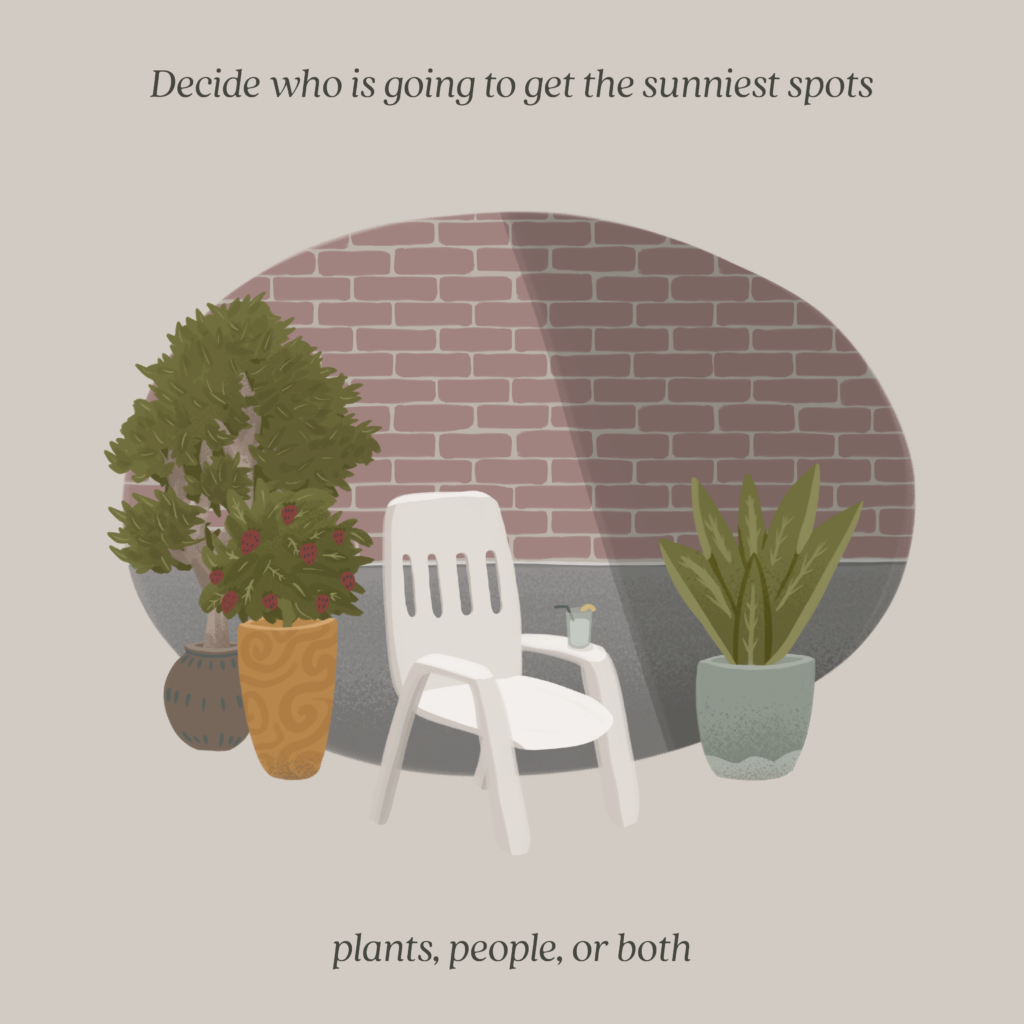
2) Decide who is going to get the sunniest spots – plants, people or both
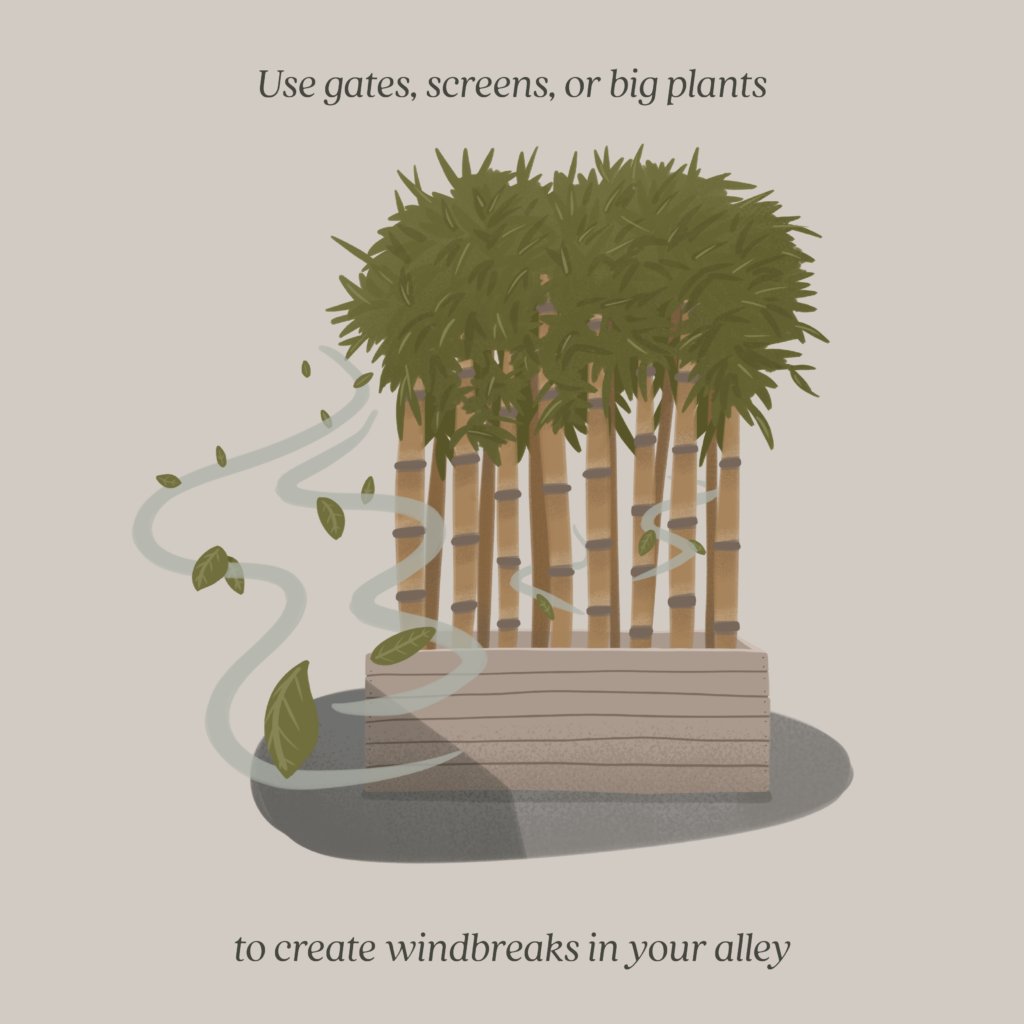
3) Use gates, screens or big plants to create wind breaks
Video 2. Types of Containers
Key points
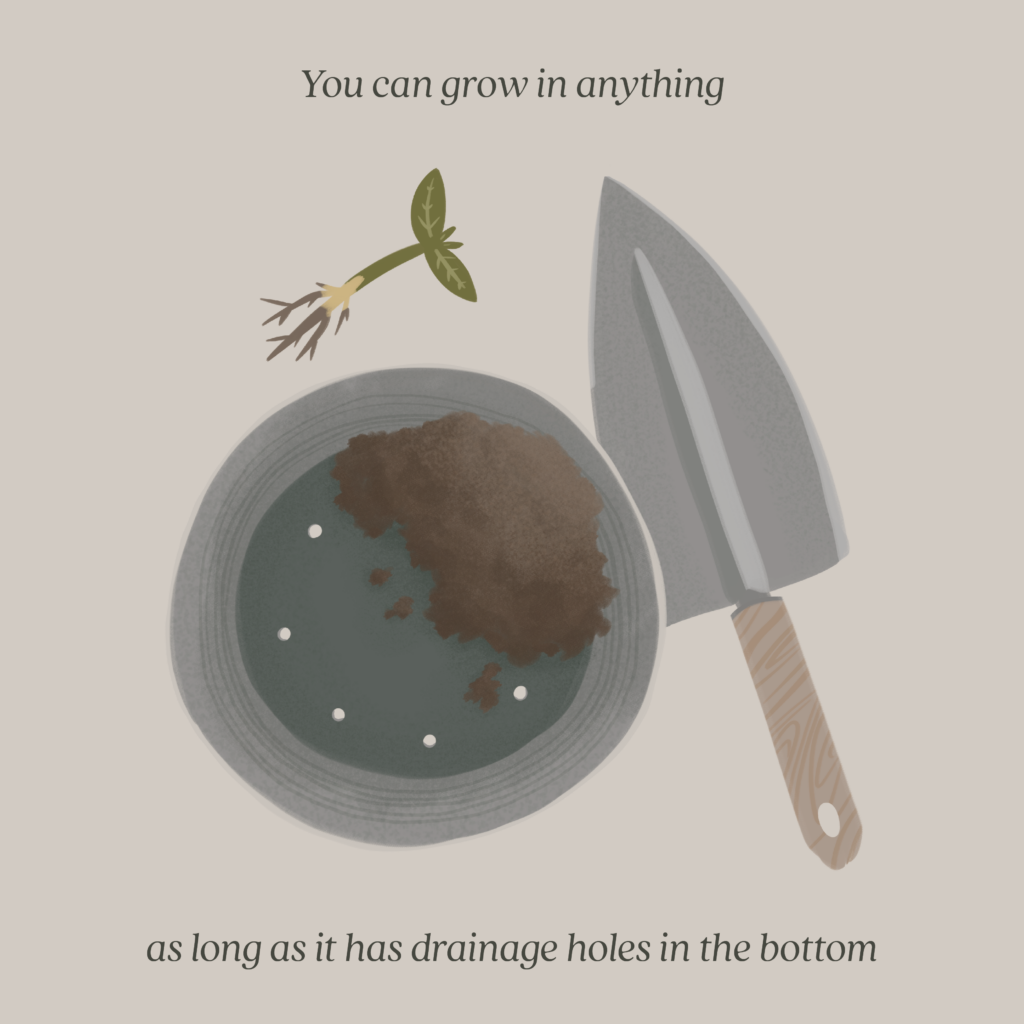
- You can grow plants in anything but it must have drainage holes in the bottom.
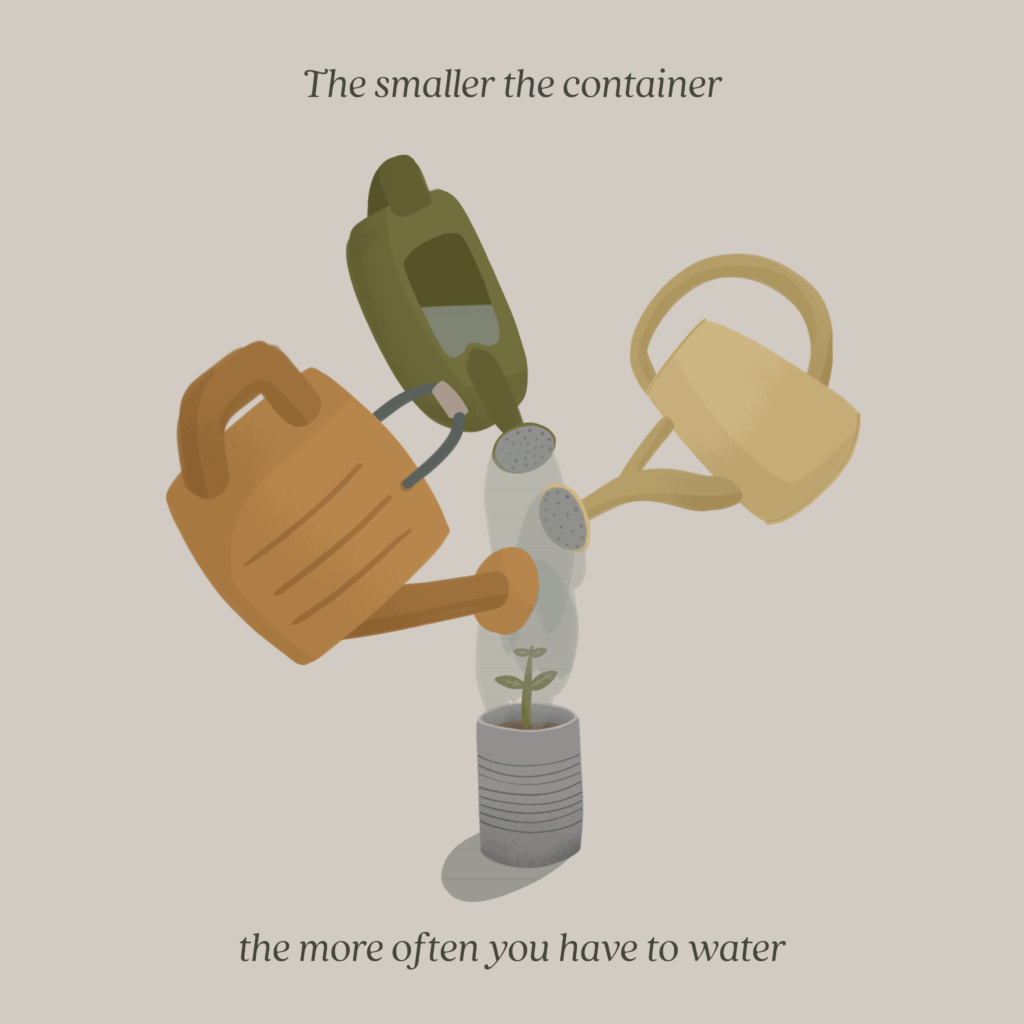
- Smaller containters will need watered more frequently.
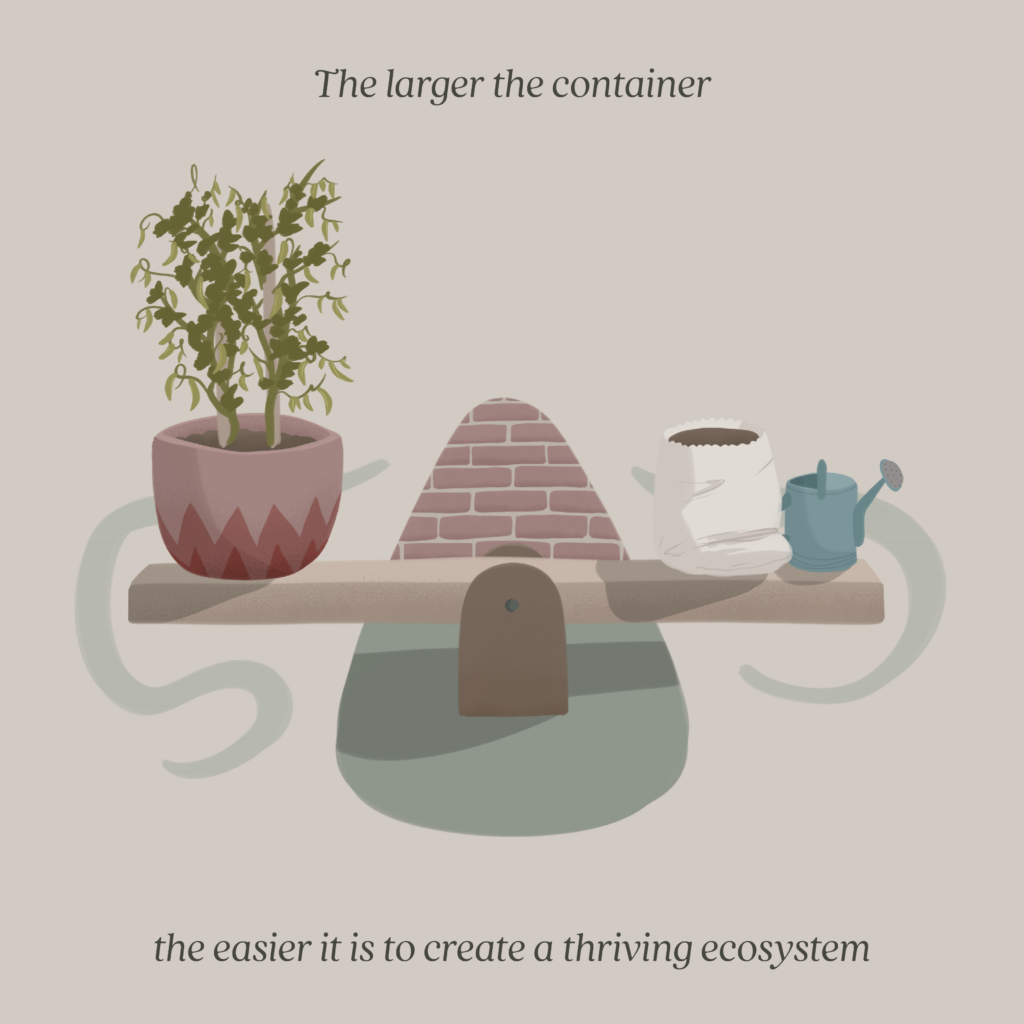
- The larger the container, the easier it is to create a thriving soil ecosystem.
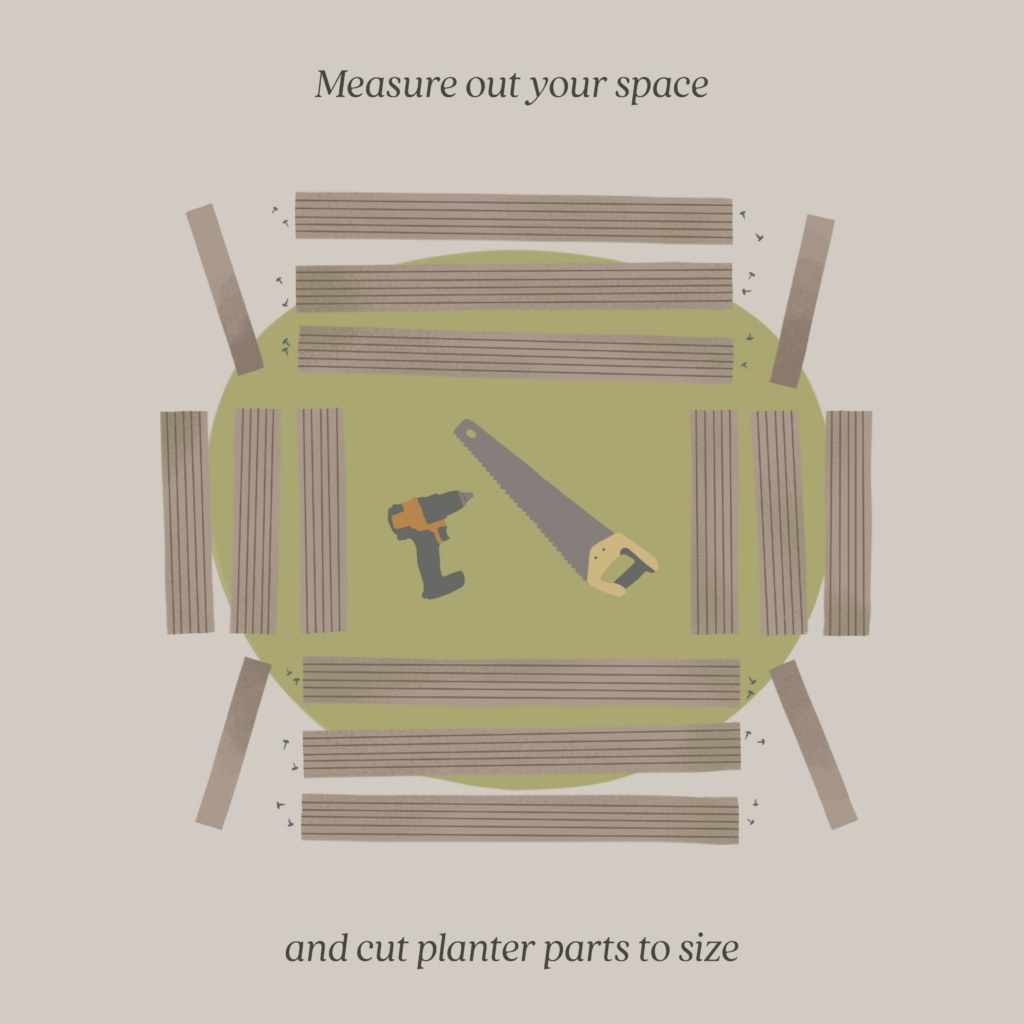
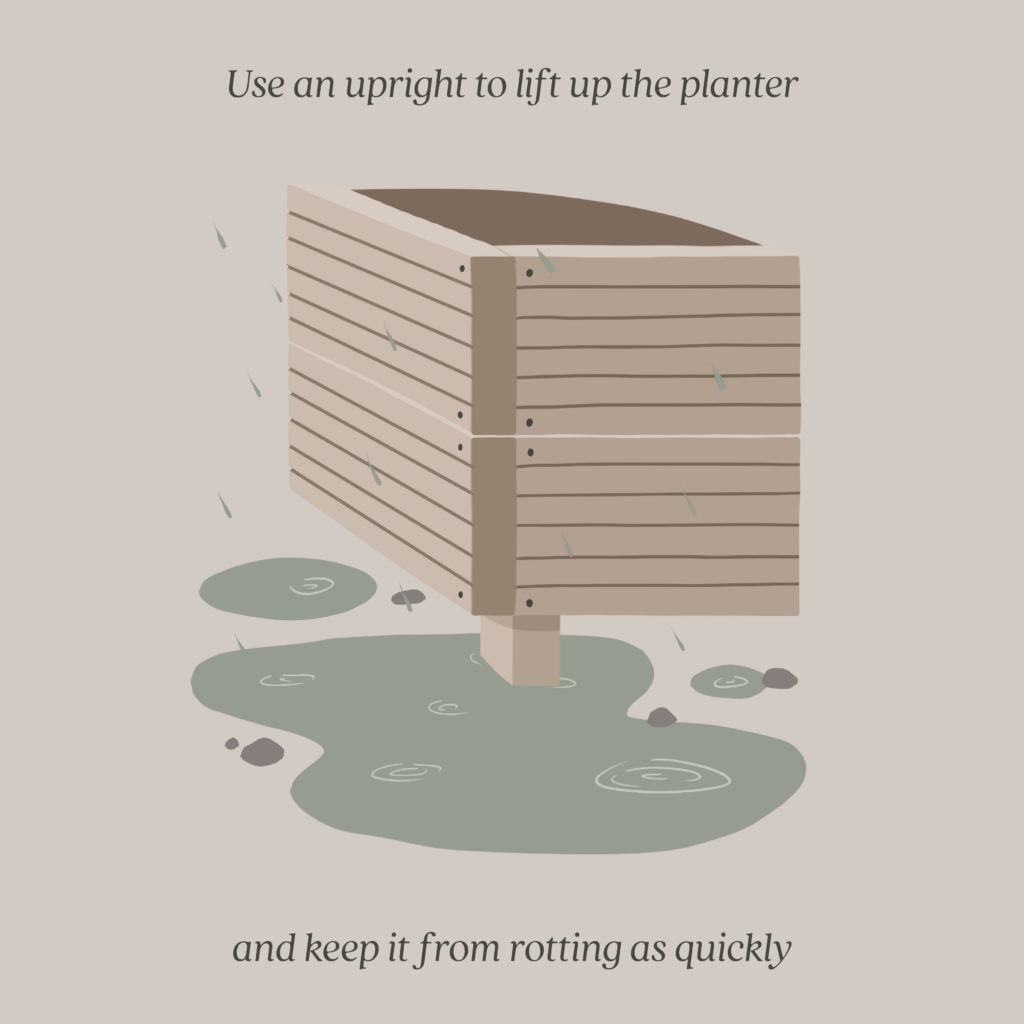
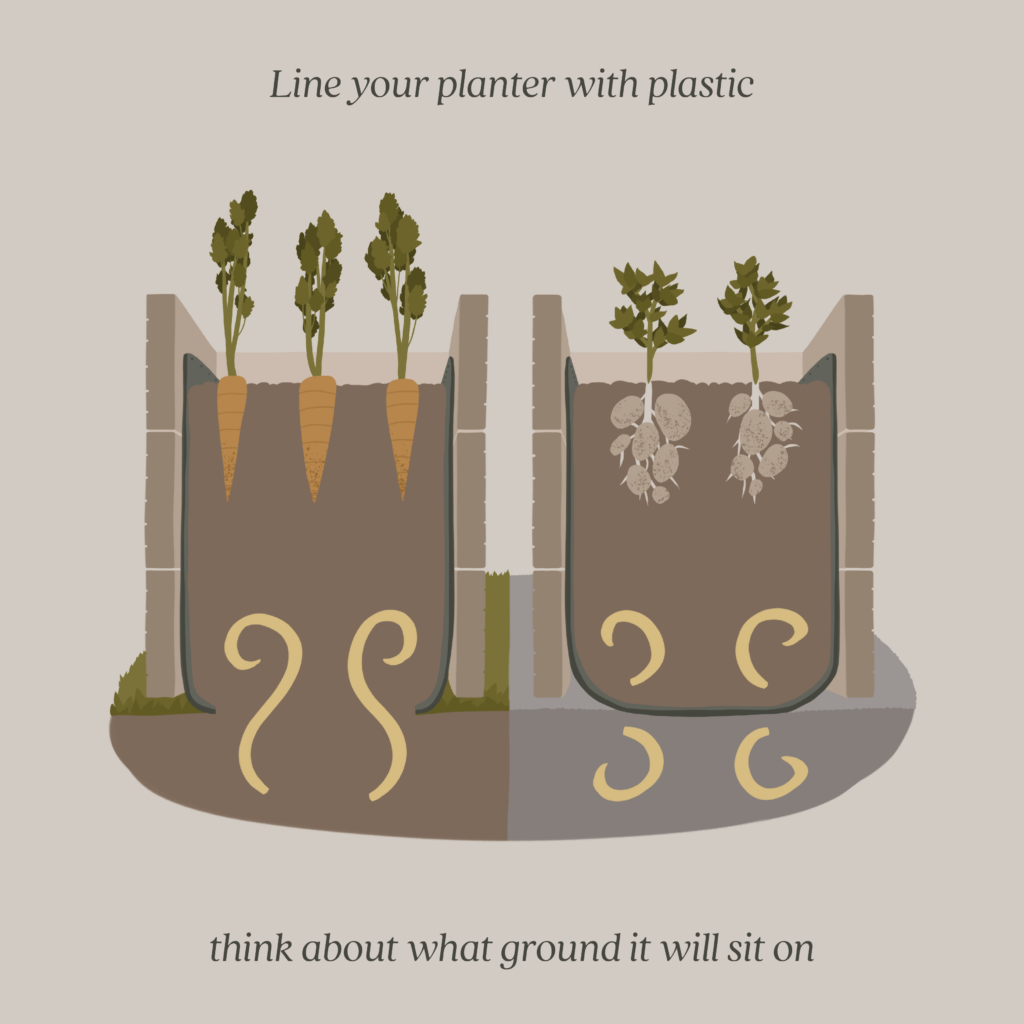
Video 3. How to Build a Raised Planter
Key Points
Video 4. How to Grow from Seed
Key Points
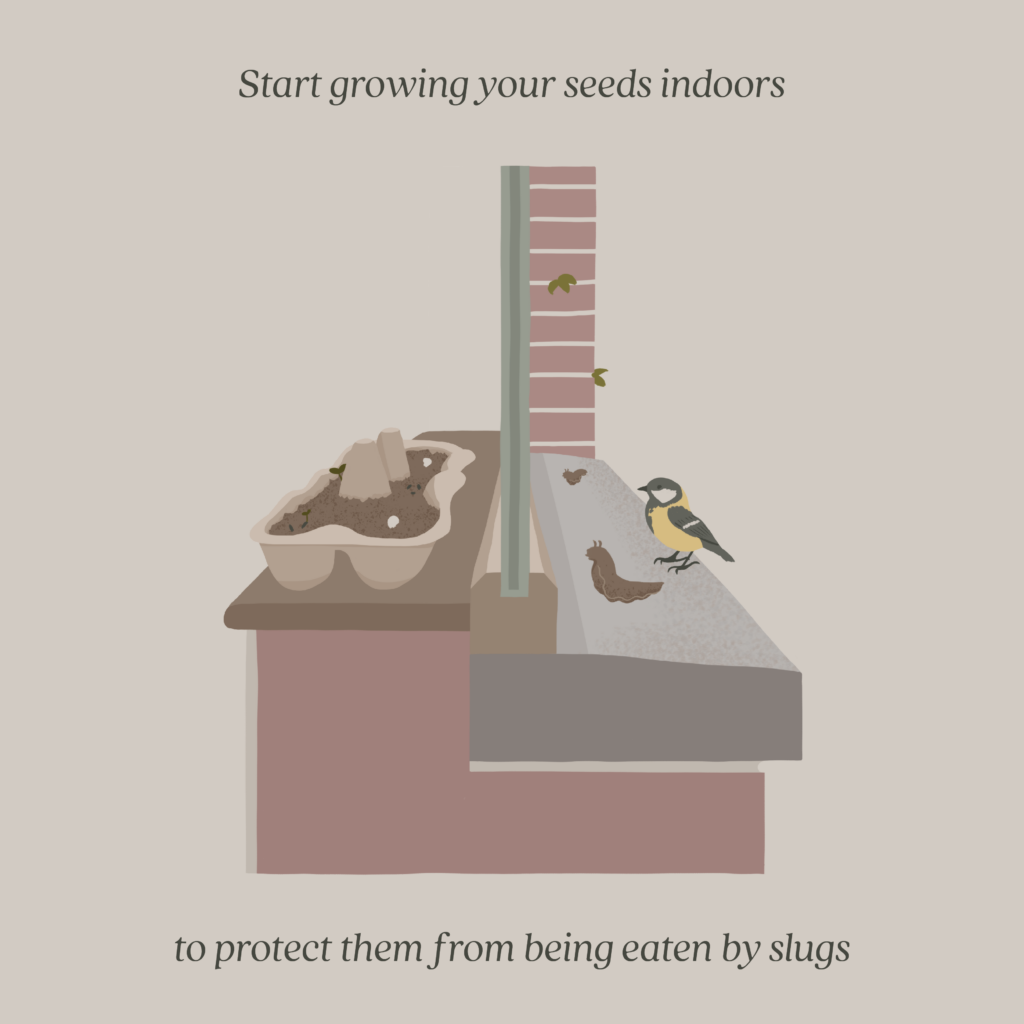
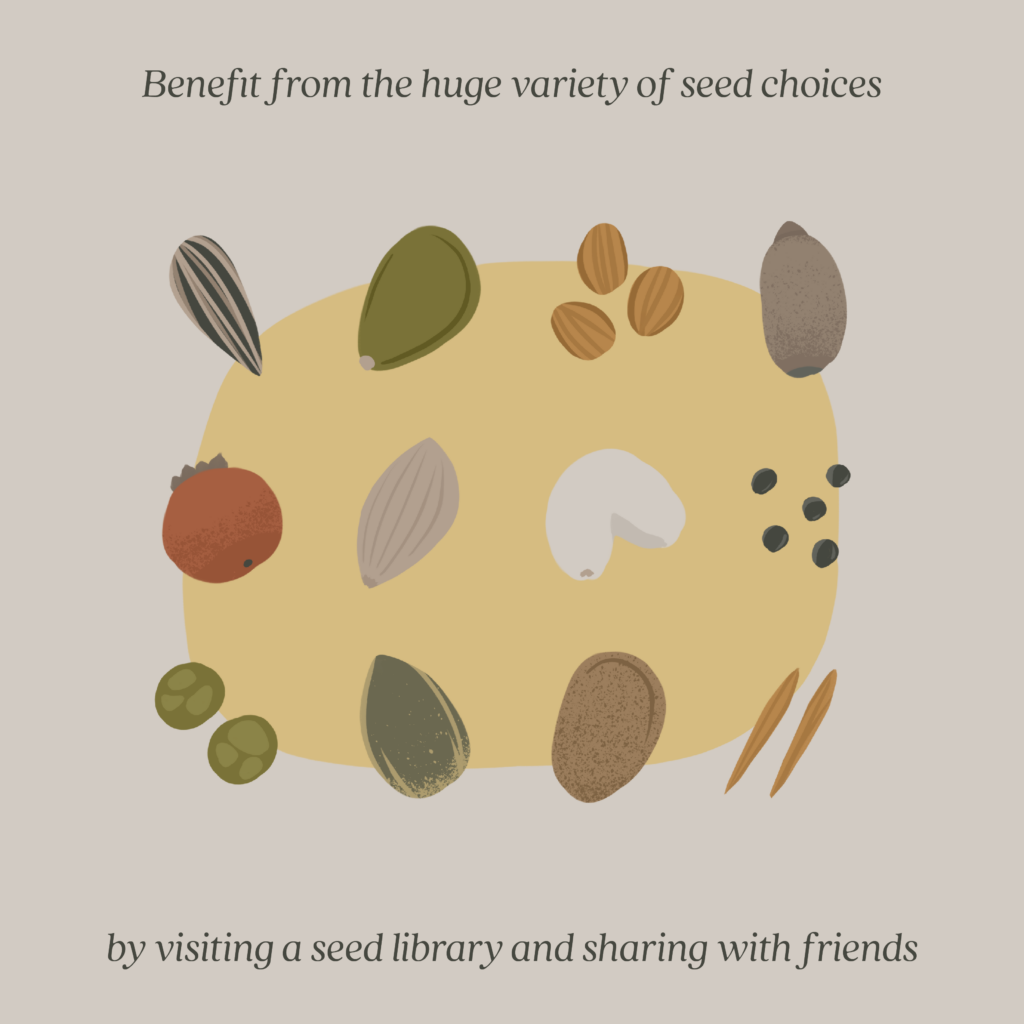
- Start to grow seeds indoors to protect them
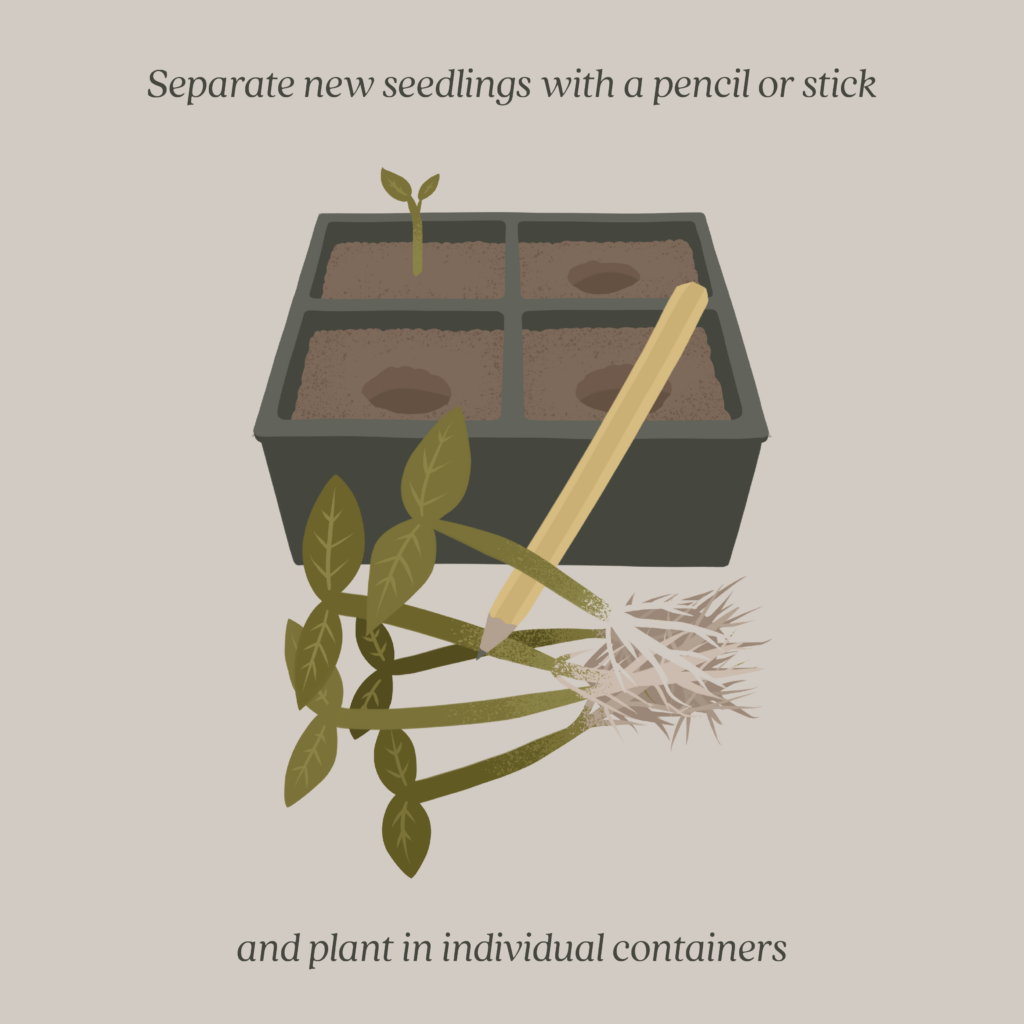
- Plant seedlings out into containers once big enough to handle
- Swap seeds with friends or visit a seed library for low cost variety in your alley garden!
Video 5. Filling your Planter – The Best Growing Medium for your Plants
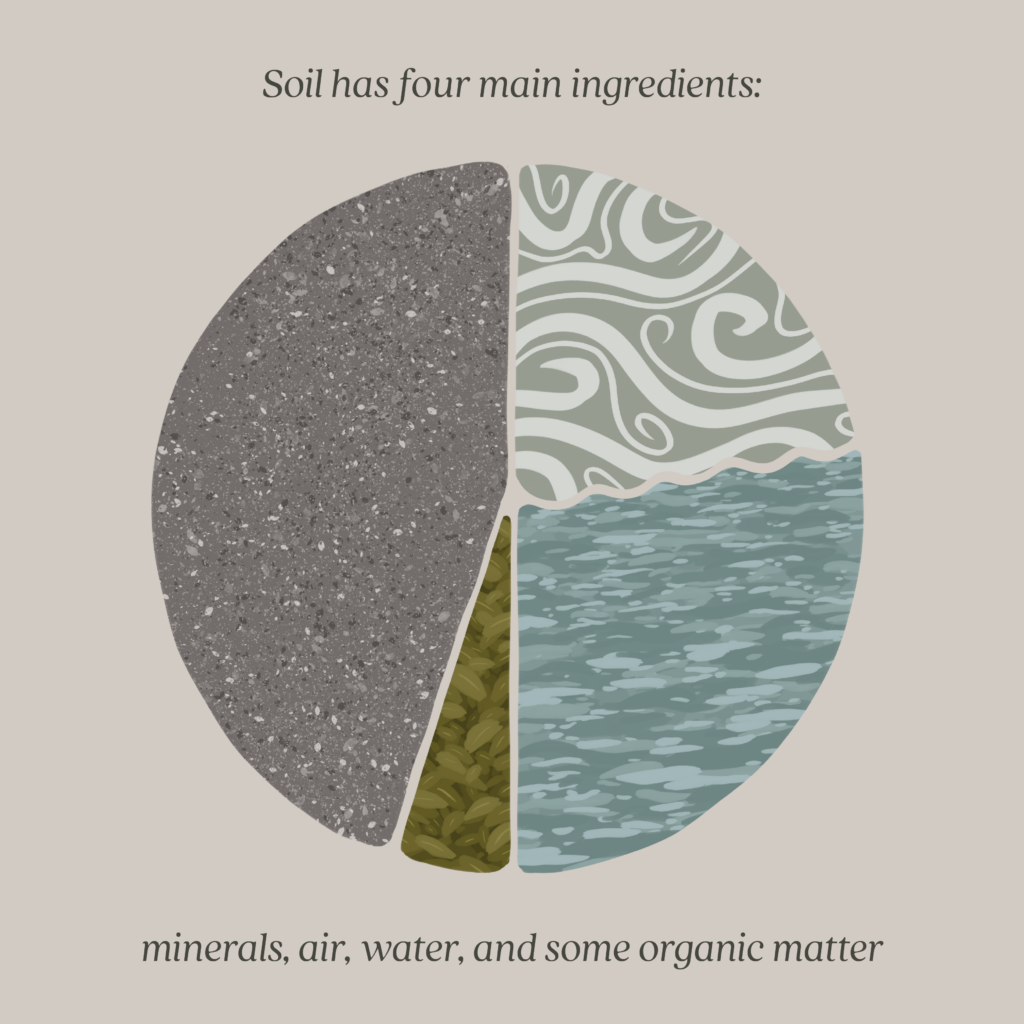
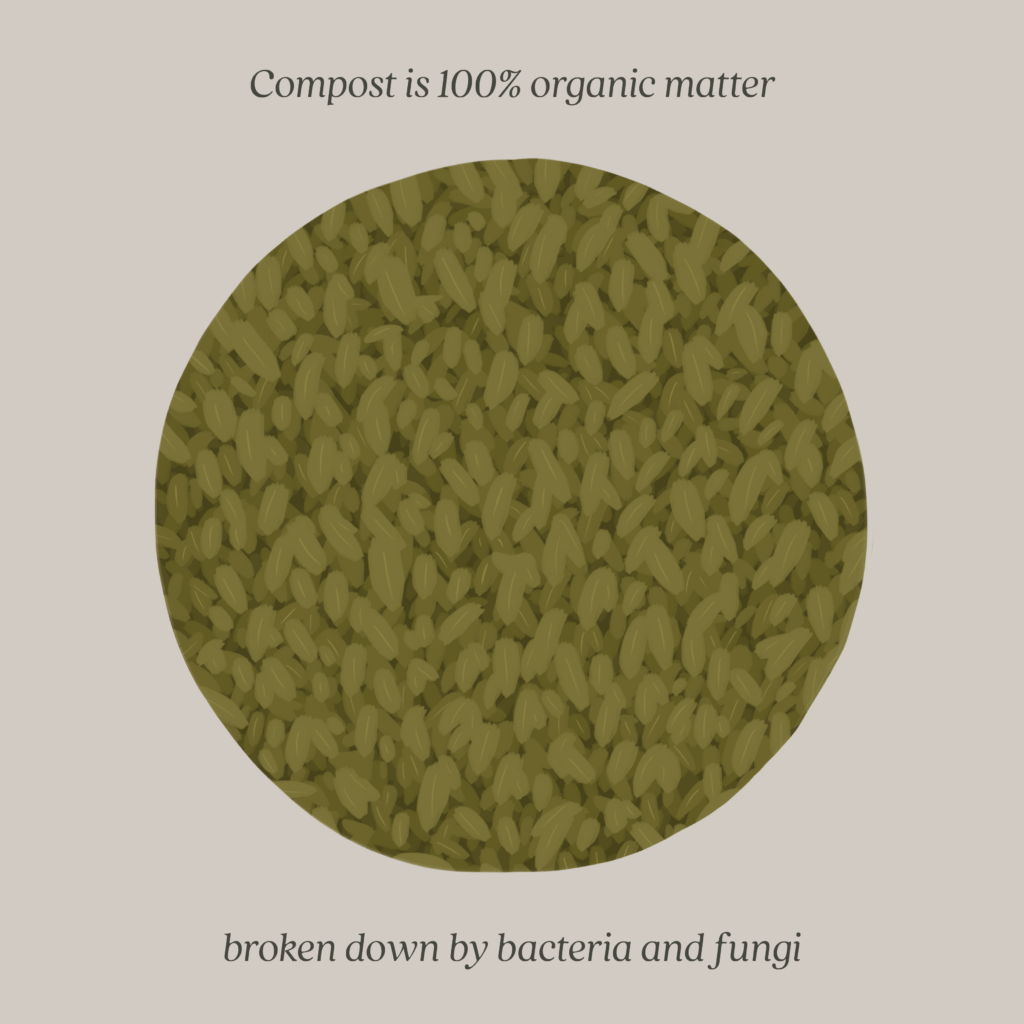
- Soil has 4 main ingredients: minerals, air, water and some organic matter.
- Compost is 100% organic matter
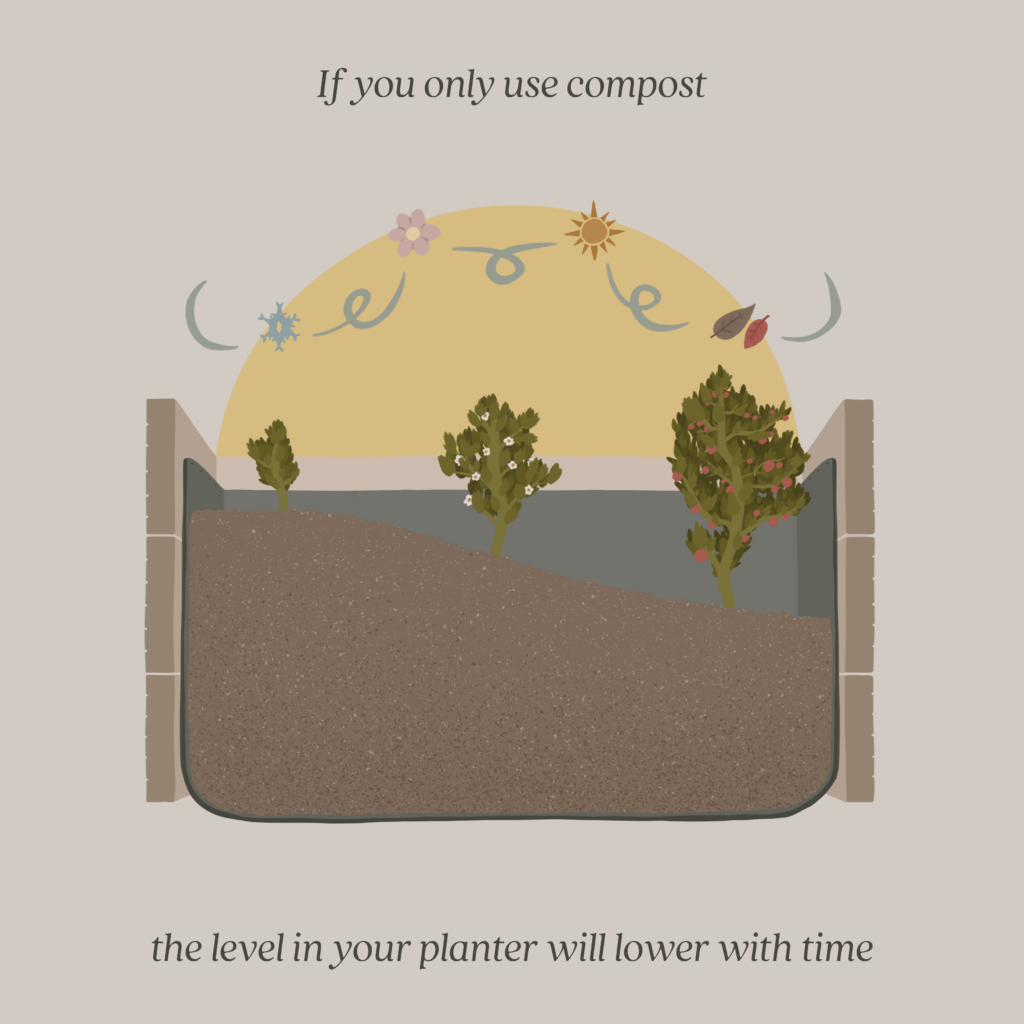
- If you just fill your planters with compost, the level of soil will decrease over time.
- Use a “loam-based compost” (which is a mix of soil and compost) and you won’t have this problem.
Video 6. Mulching & Microorganisms
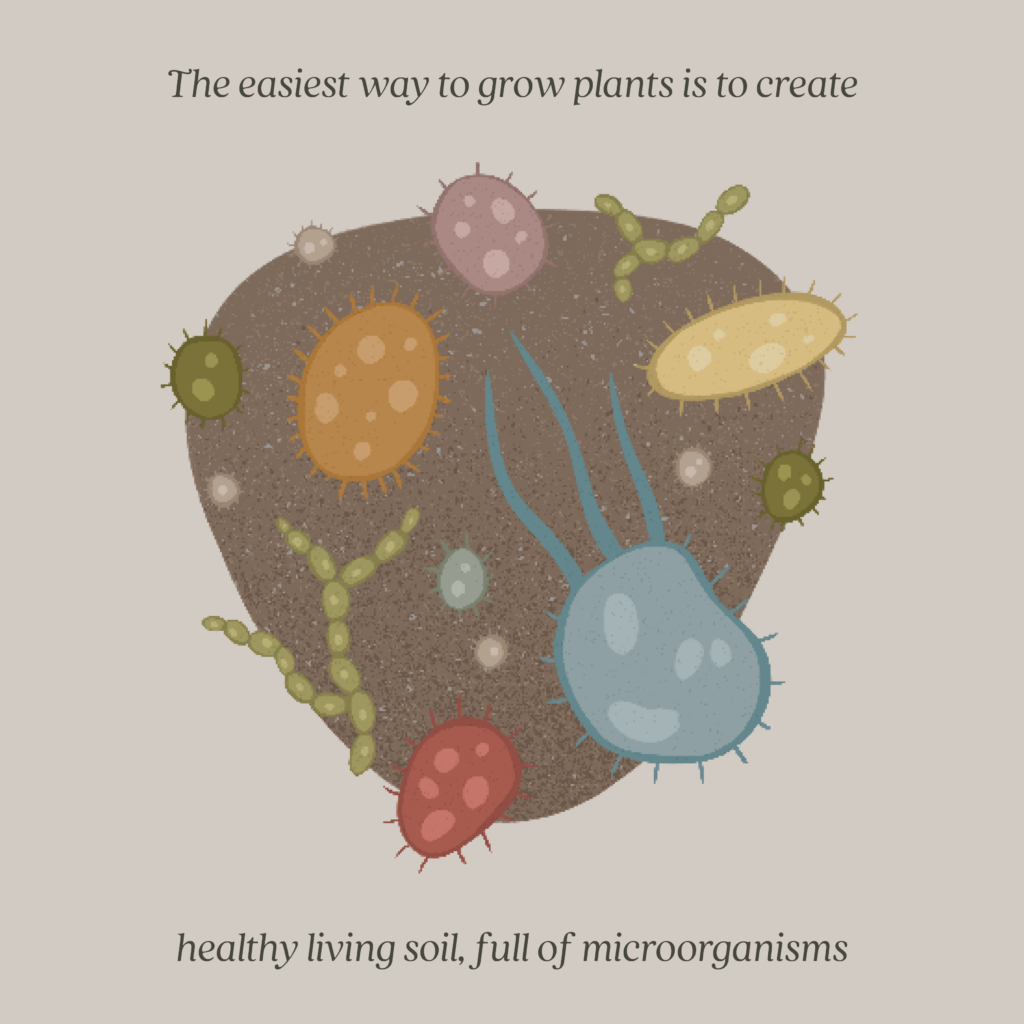
- Growing plants will be easier if you have healthy soil full of microorganisms.
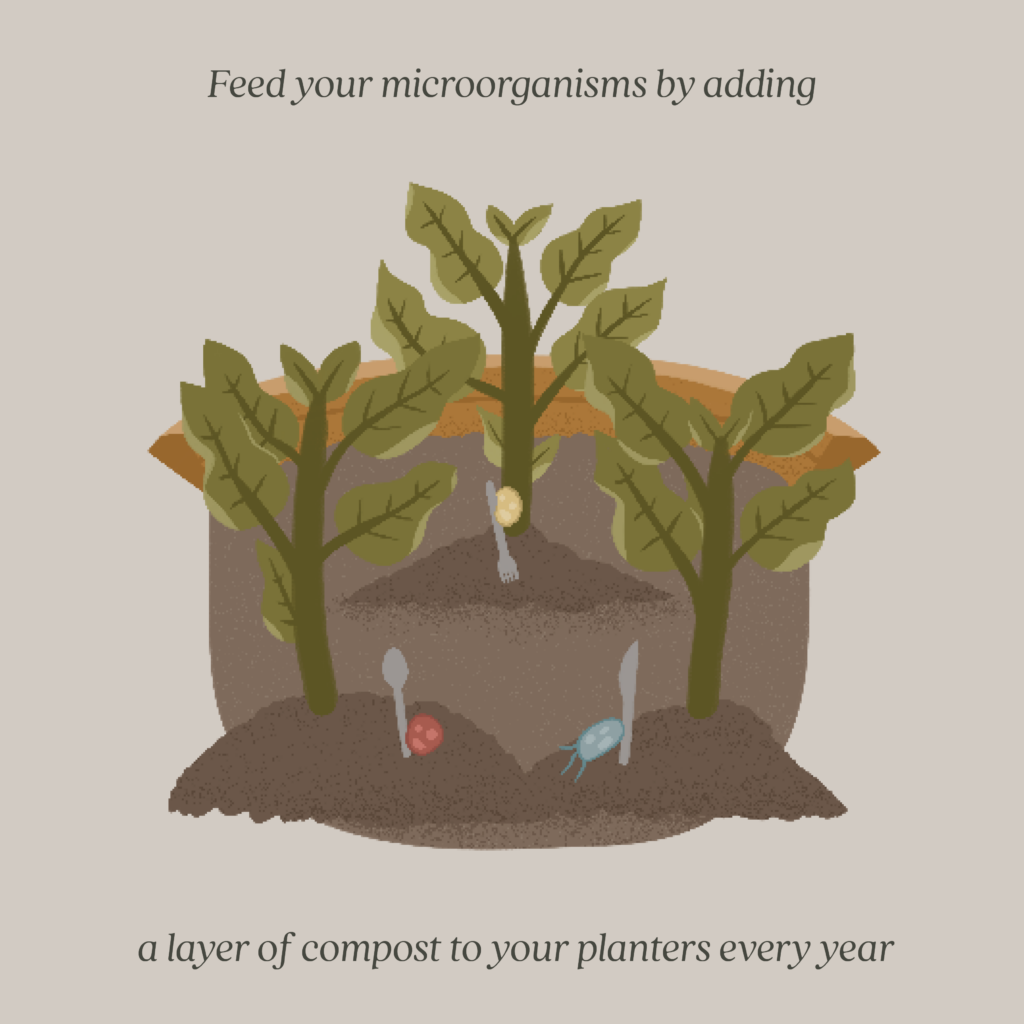
- Feed your microorganisms by adding a layer of compost to the surface of your planters every year.
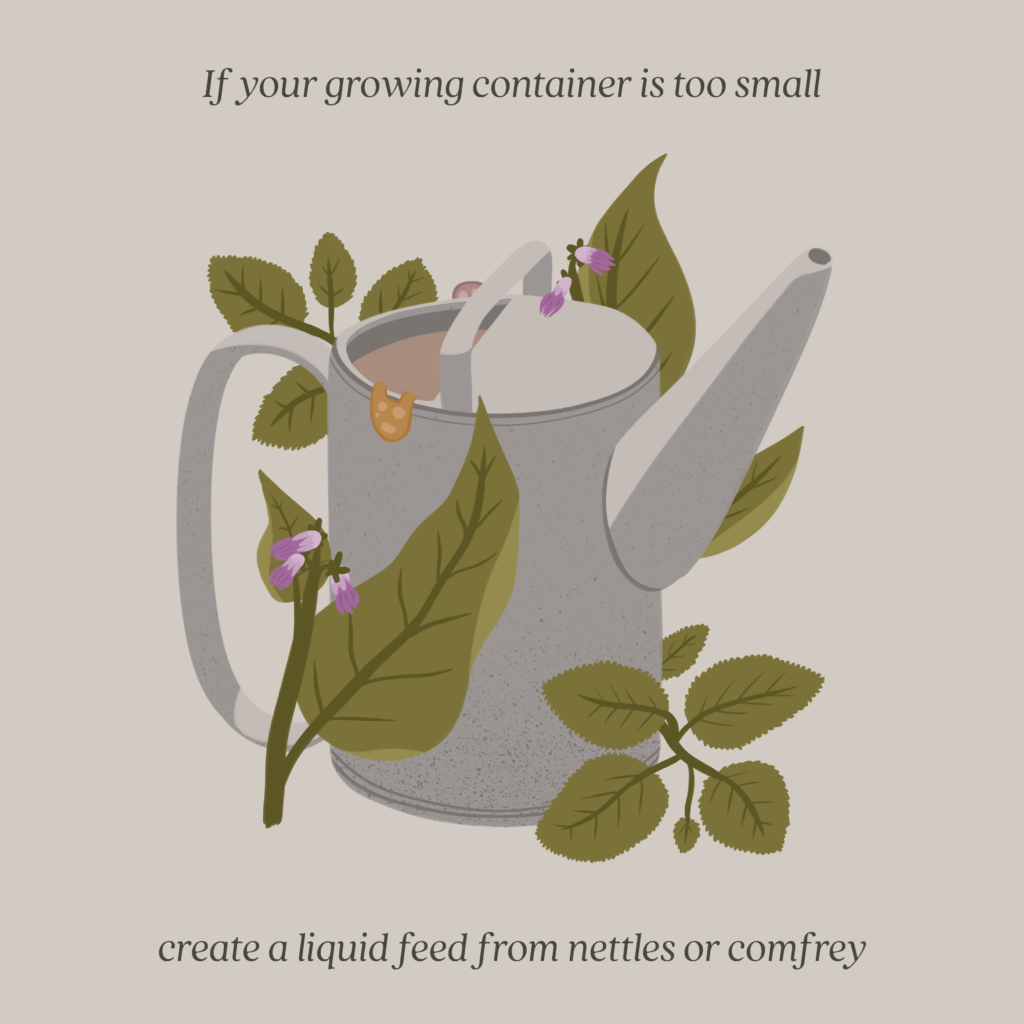
- For small containers, create a liquid feed from nettles or comfrey.
Video 7. How to take cuttings & grow plants for free!
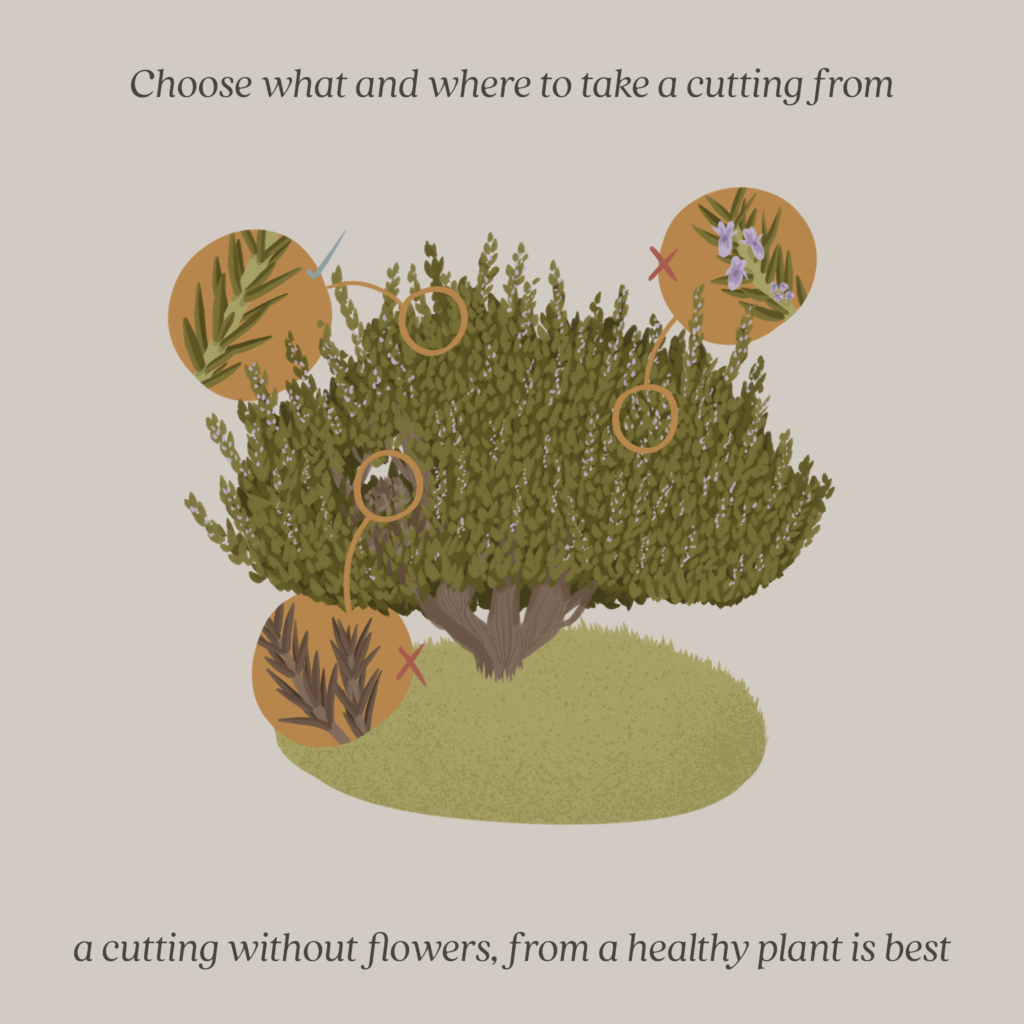
- Choose where and what to take a cutting from. A cutting without flowers, from a healthy plant is best
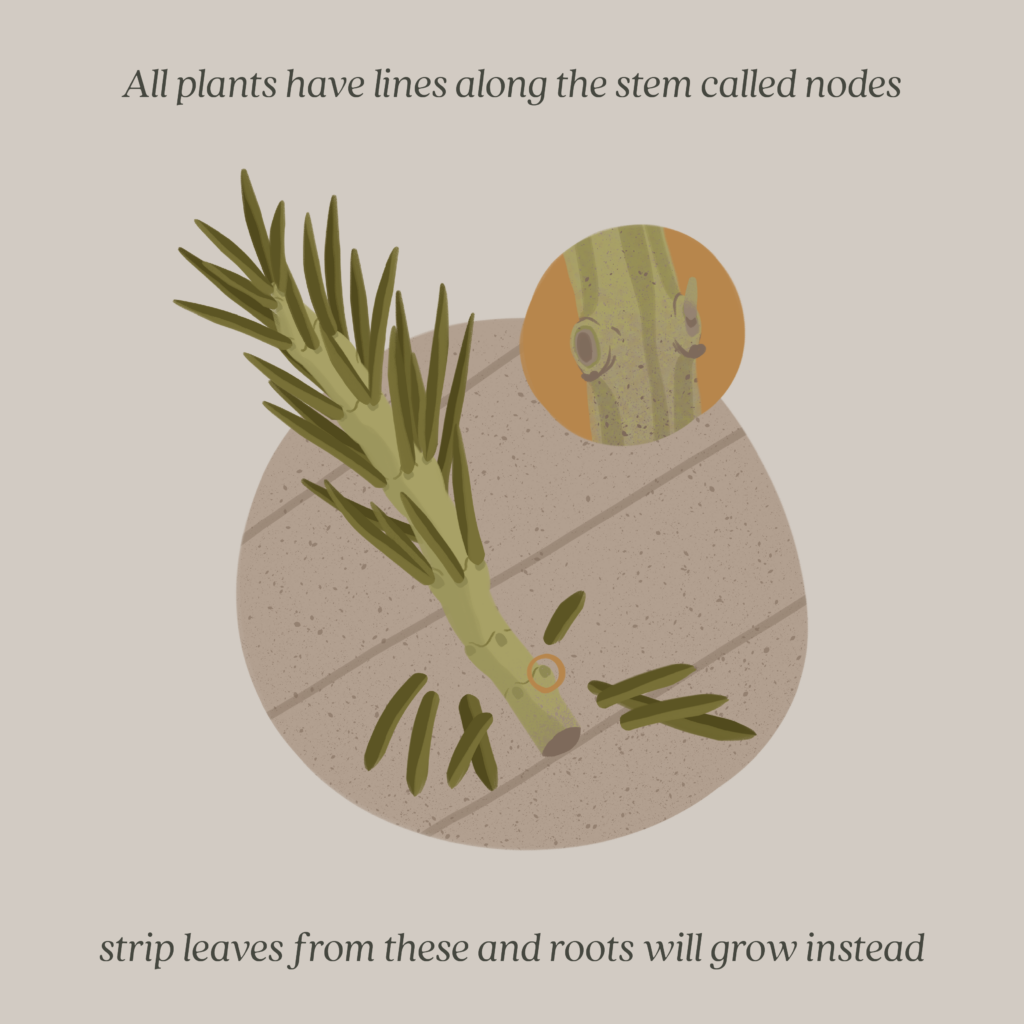
- All plants have lines along the stem called nodes. Strip leaves from these and roots will grow instead
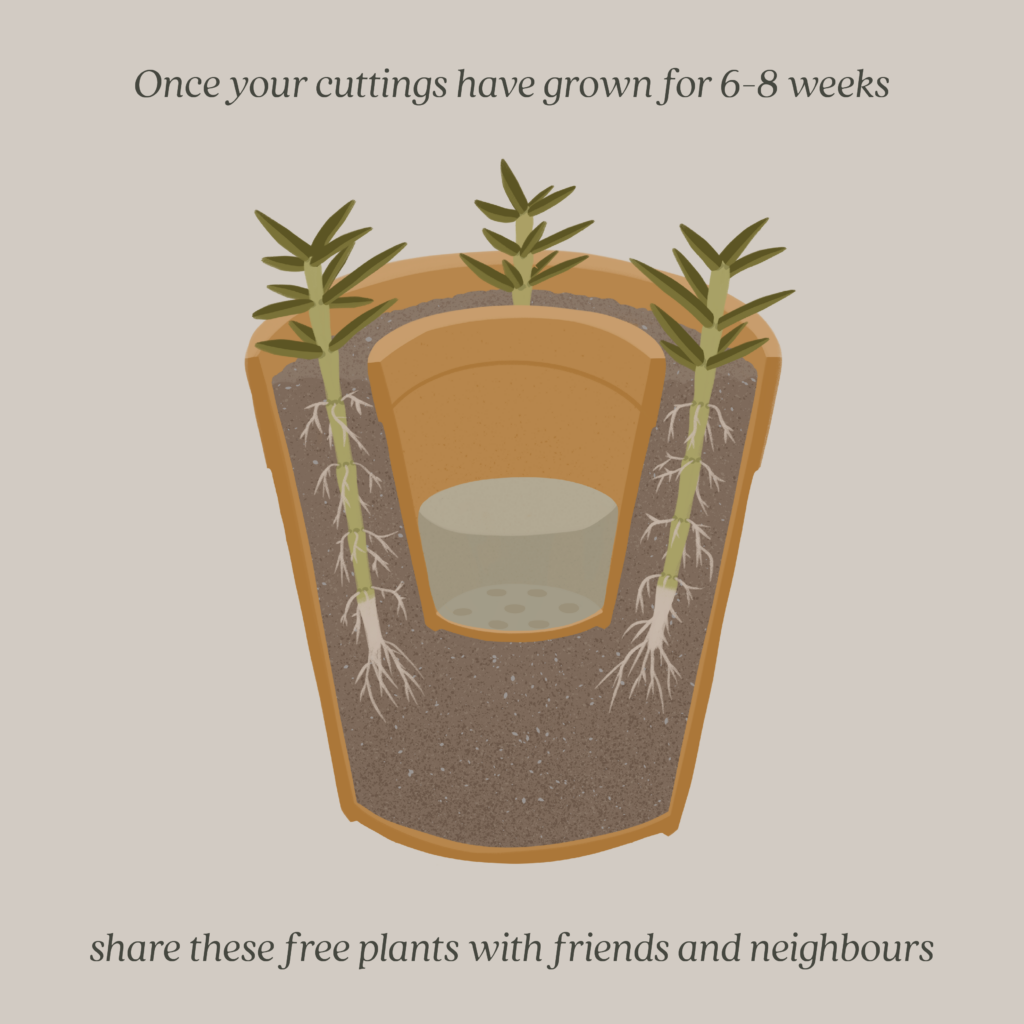
- Once your cuttings have grown for 6-8 weeks, share these new free plants with friends and neighbours
Video 8. De-mystifying Horticultural terms
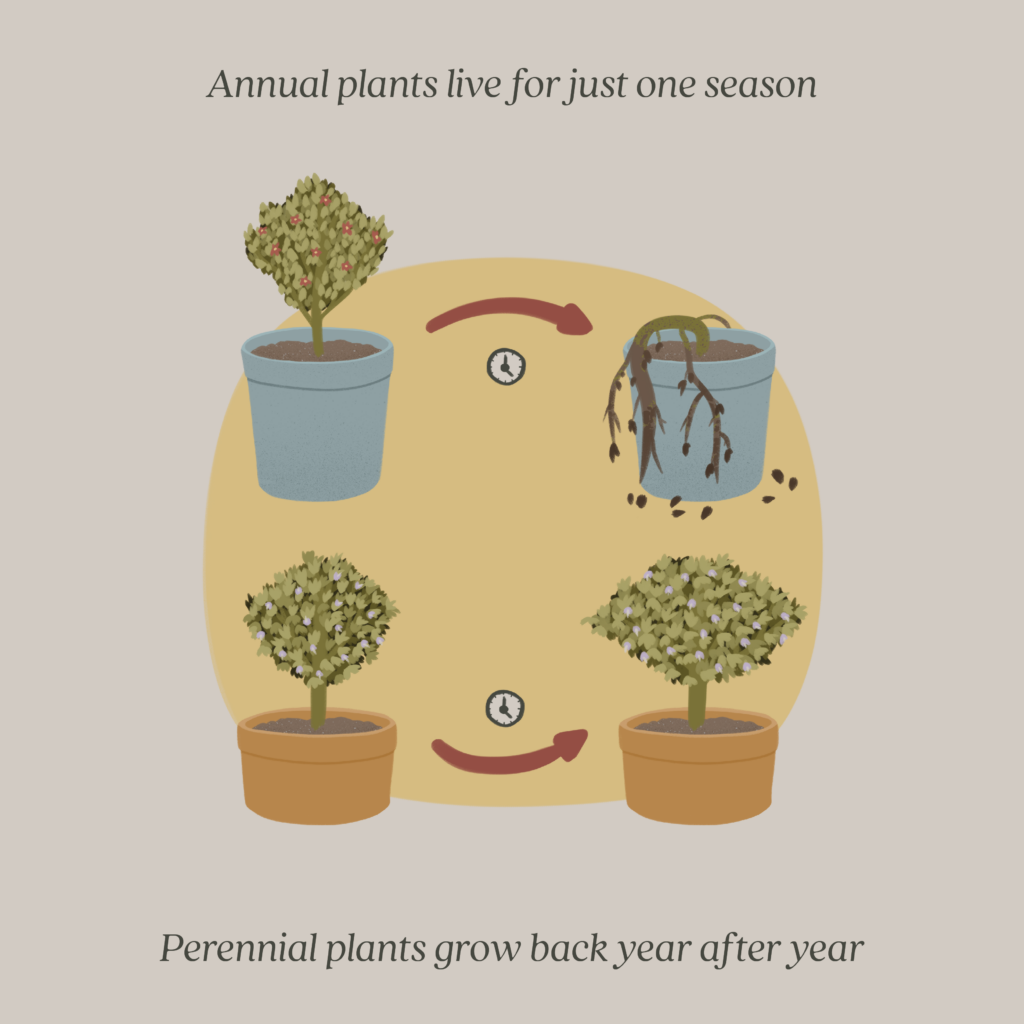
- Annual plants grow and die within one season but perennial plants come back year after year.
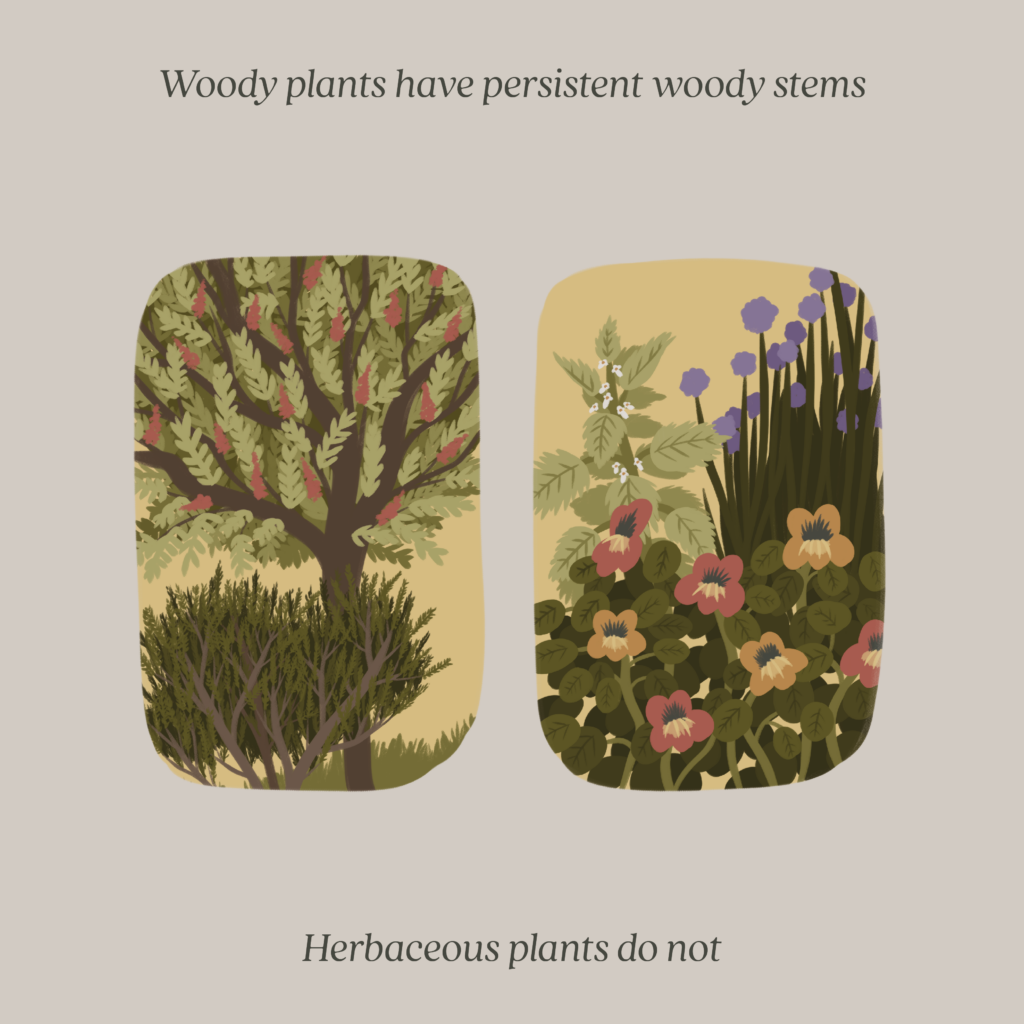
- Woody plants have persistent woody stems even if the leaves fall off. Herbaceous plants do not.
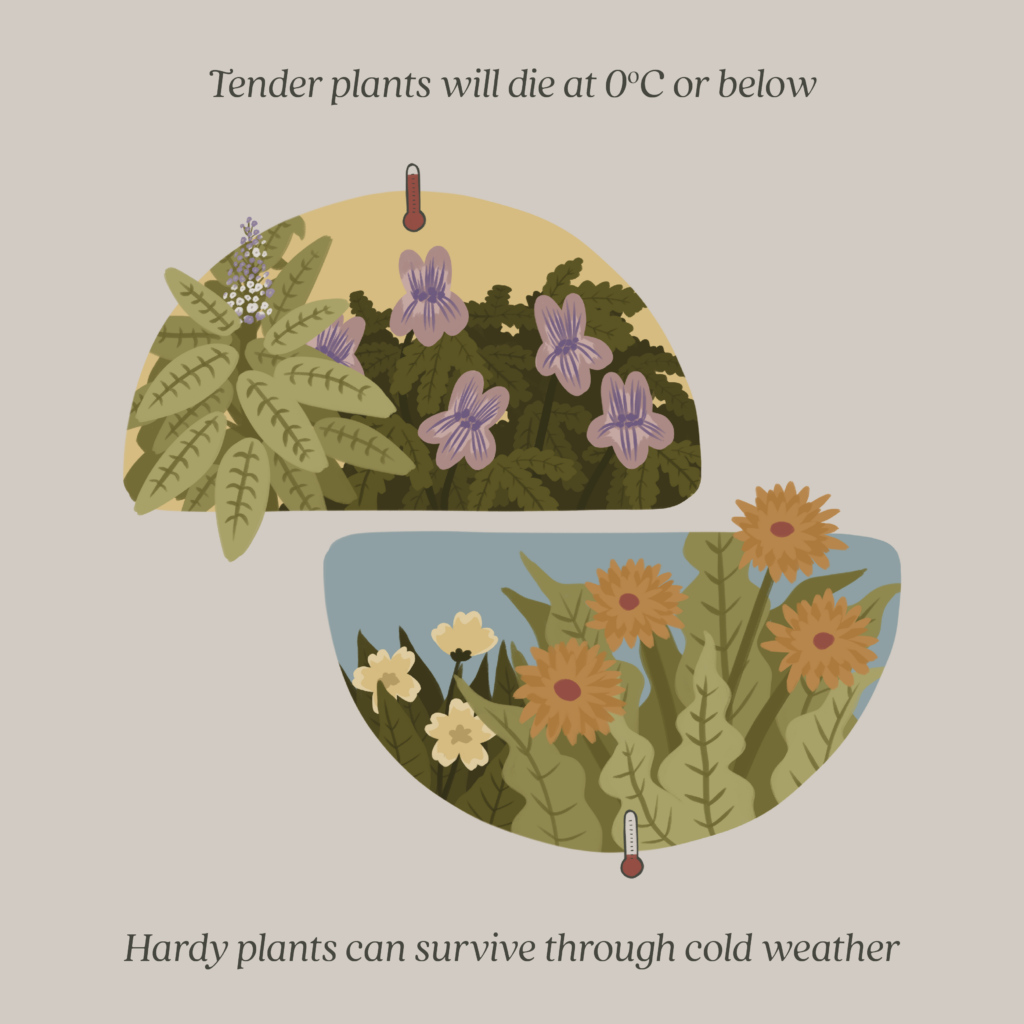
- Tender plants will die in conditions below zero degrees. Hardy plants can withstand frosty conditions.
- The terms can be combined but knowing what these terms mean will affect, when you sow your seeds, where you plant and what you choose to grow.
Video 9. How to Make Your Own Compost & Compost Tea
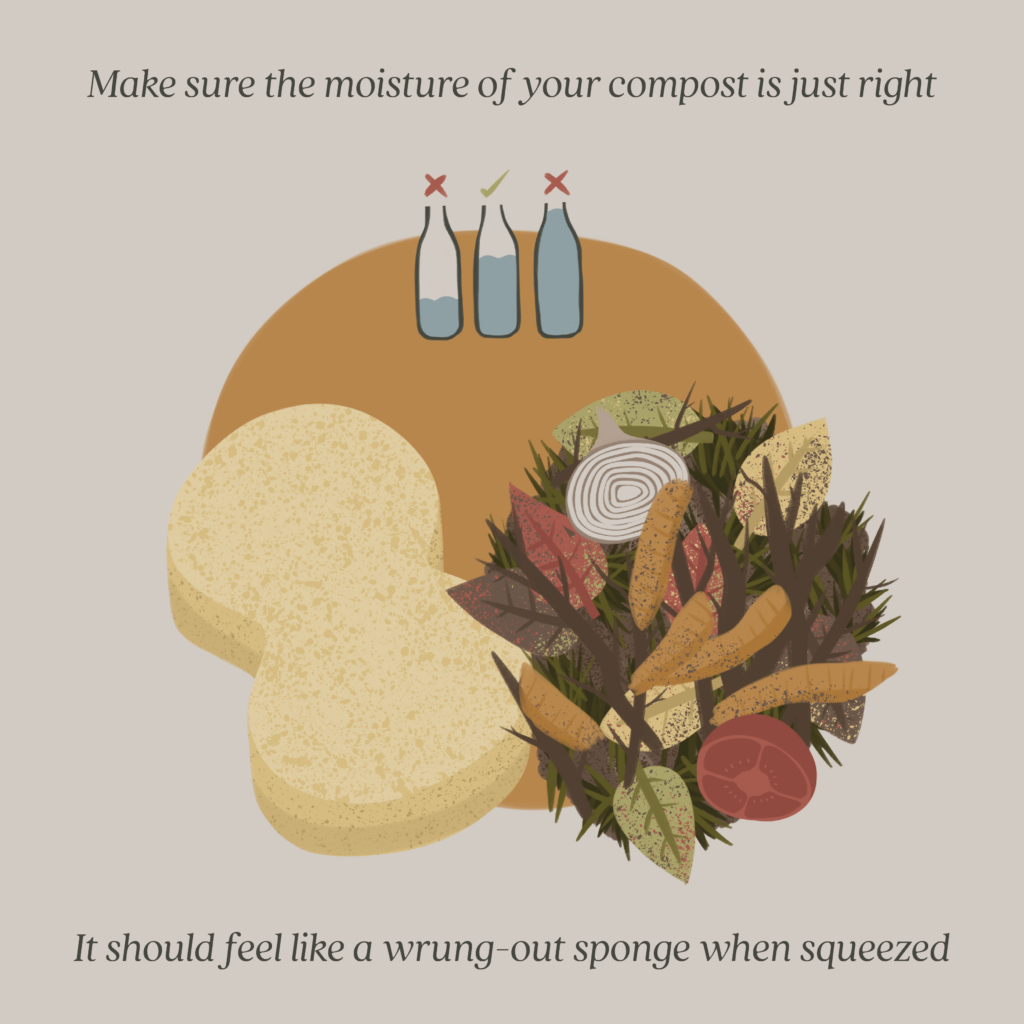
- Make sure the moisture of your compost is just right. It should feel like a wrung-out sponge when squeezed
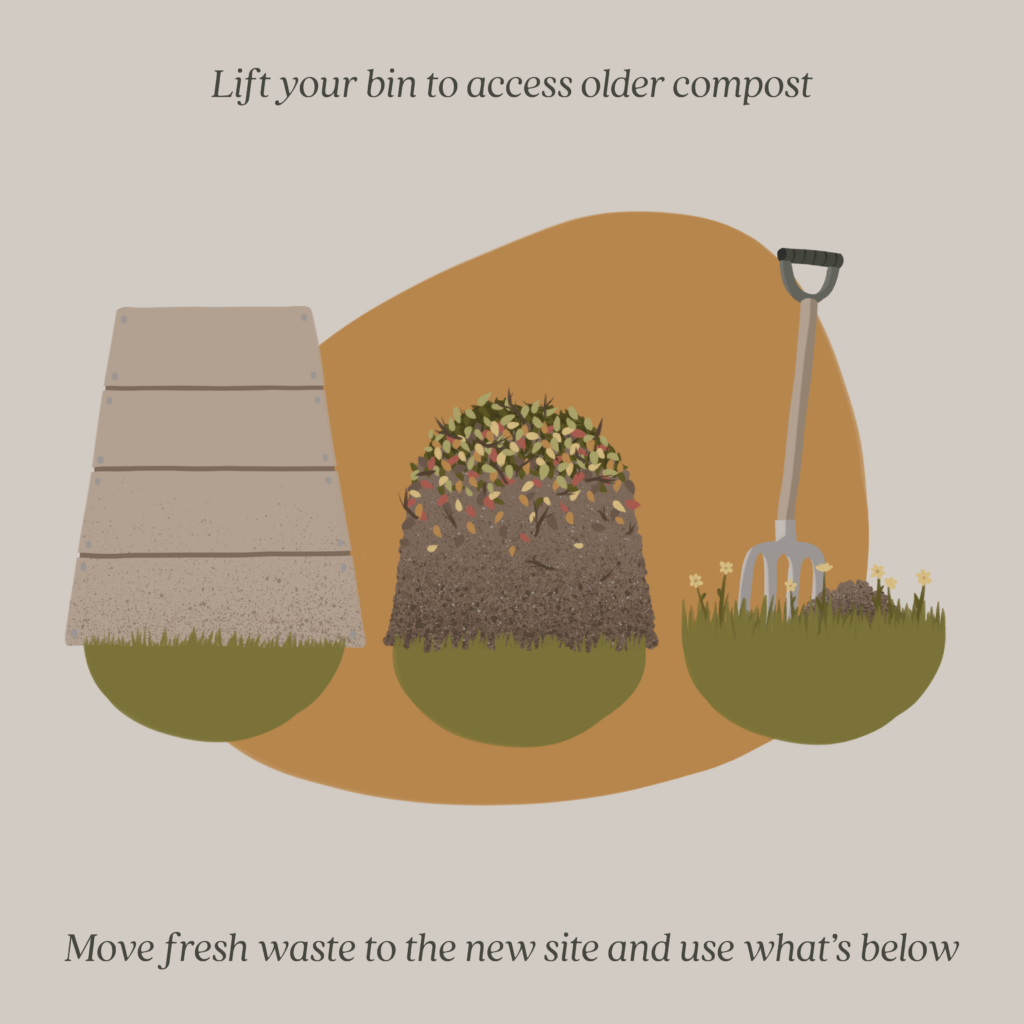
- lift your bin to access older compost. Move fresh waste to a new site and use what’s below.
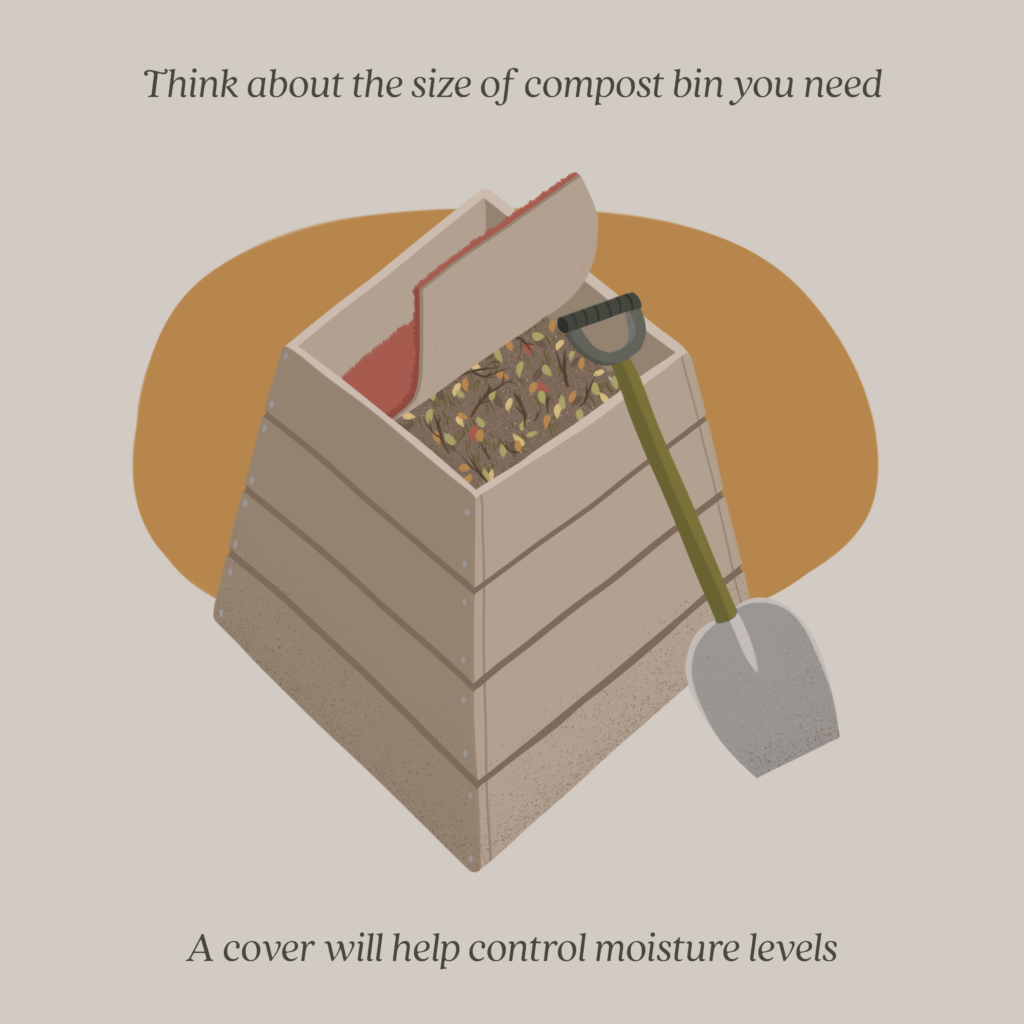
- Think about the size of the compost bin you need. A cover will help control moisture levels.
Celebrate the Seasons
There are four Celtic seasonal festivals — like the four seasons of the year. They are called Imbolc, Bealtaine, Lughnasa and Samhain.
We are programming our ‘Manifesto for the Alleys’ activity around these festivals. Each season we will publish suggestions for simple yet meaningful ways that people might want to use to mark the season in their own alley.
If you try out of the suggestions, or have your own seasonal alley traditions we’d love to know – share them with us on social media @9ftincommon #seasonalley
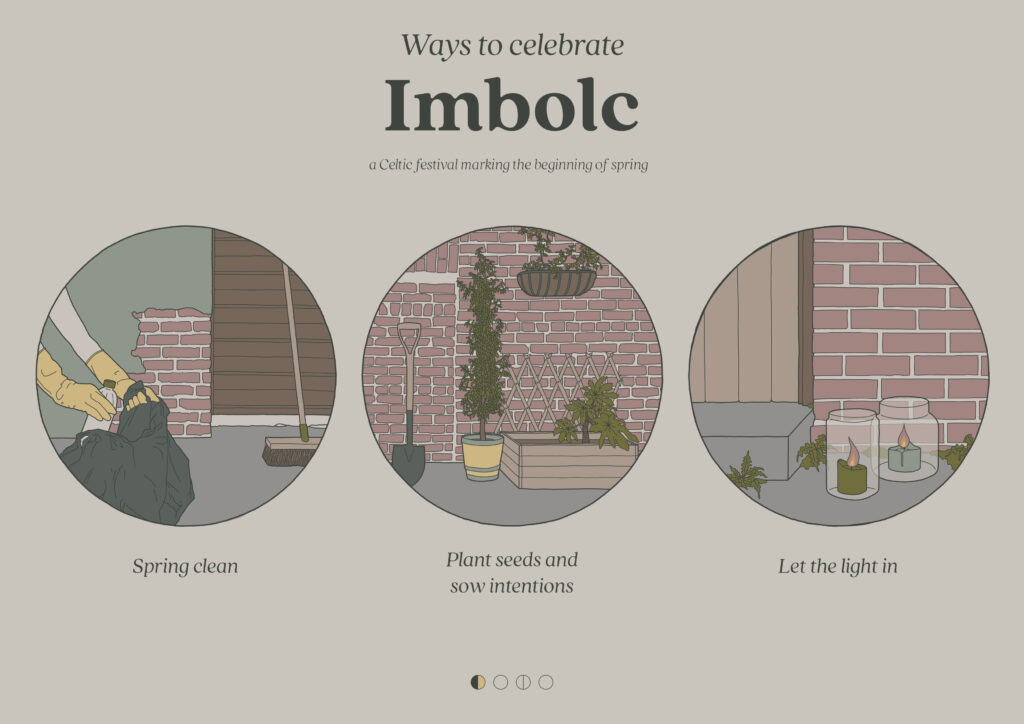
Ways To Celebrate Imbolc a Celtic Festival marking the beginning of Spring. Celebrated annually around February 1st.
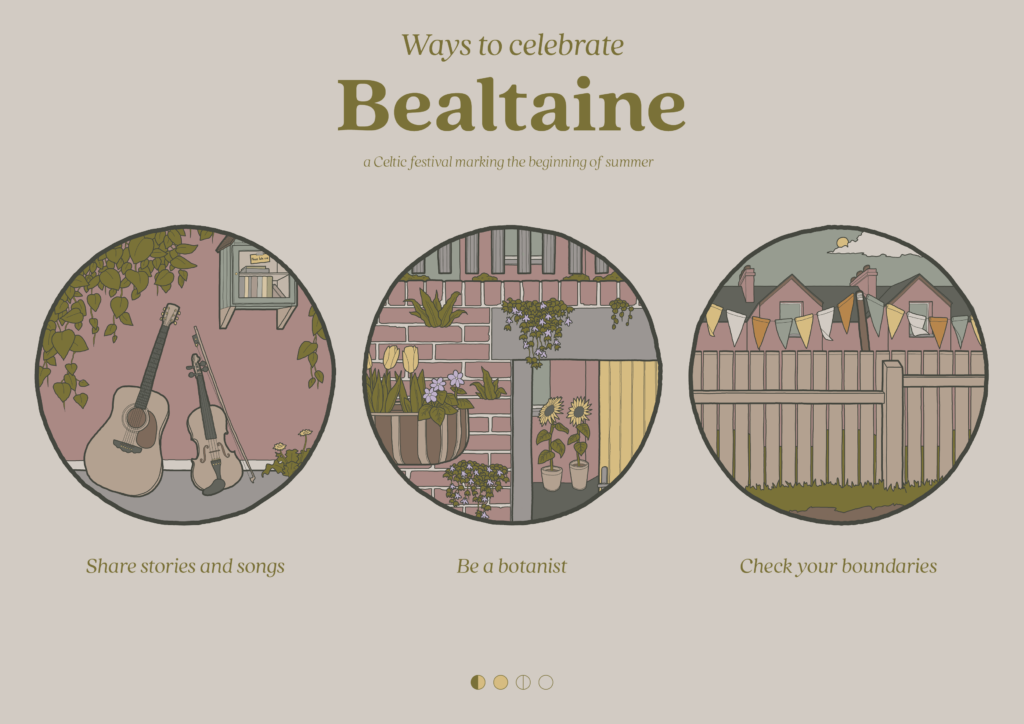
Ways to Celebrate Bealtaine – Bealtaine means “Bright Fire”, thus celebrated as the Fire Festival with bonfires to honour the sun.
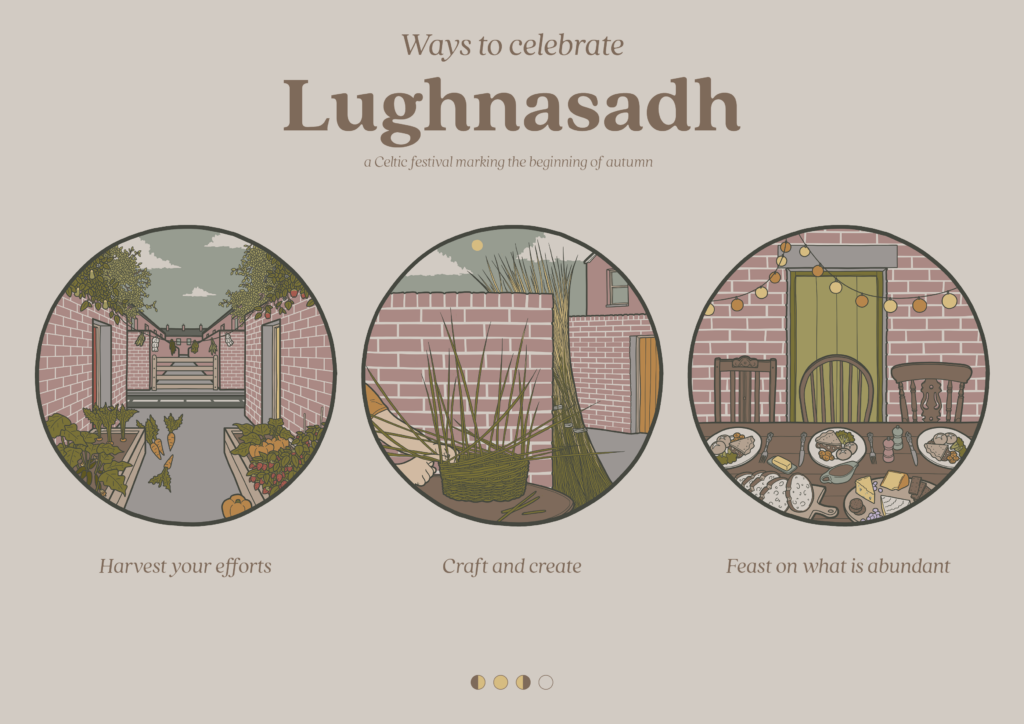
Ways to Celebrate Lughnasadh – Observed around August 1st, the beginning of the harvest season – a time of abundance, gratitude and community. The name comes from the celtic sun god Lugh.
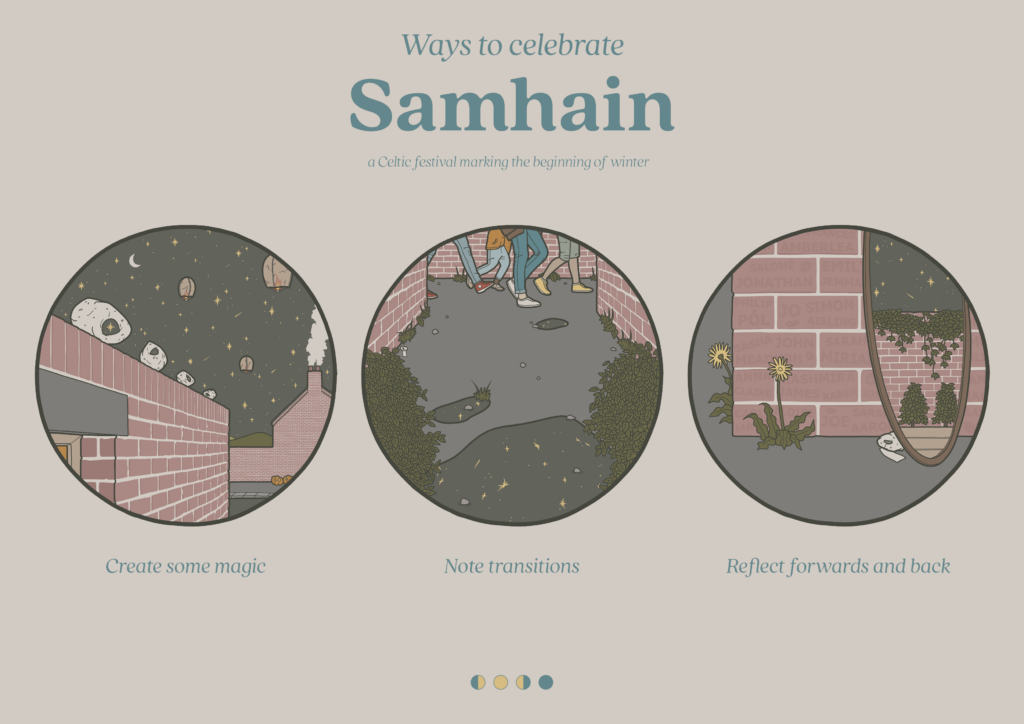
Ways to Celebrate Samhain – Celebrated around November 1st as the days draw in this festival marks the transition from the light half of the year to the dark half. The predecessor of Halloween it is a time for reflection, transition and a little bit of magic!