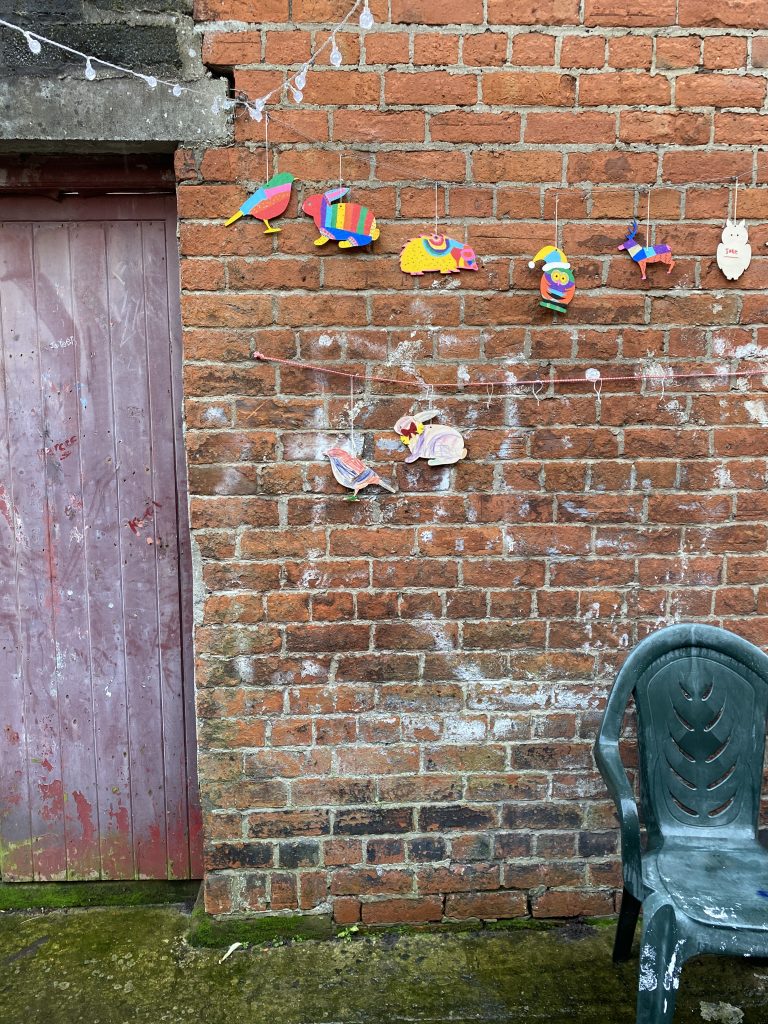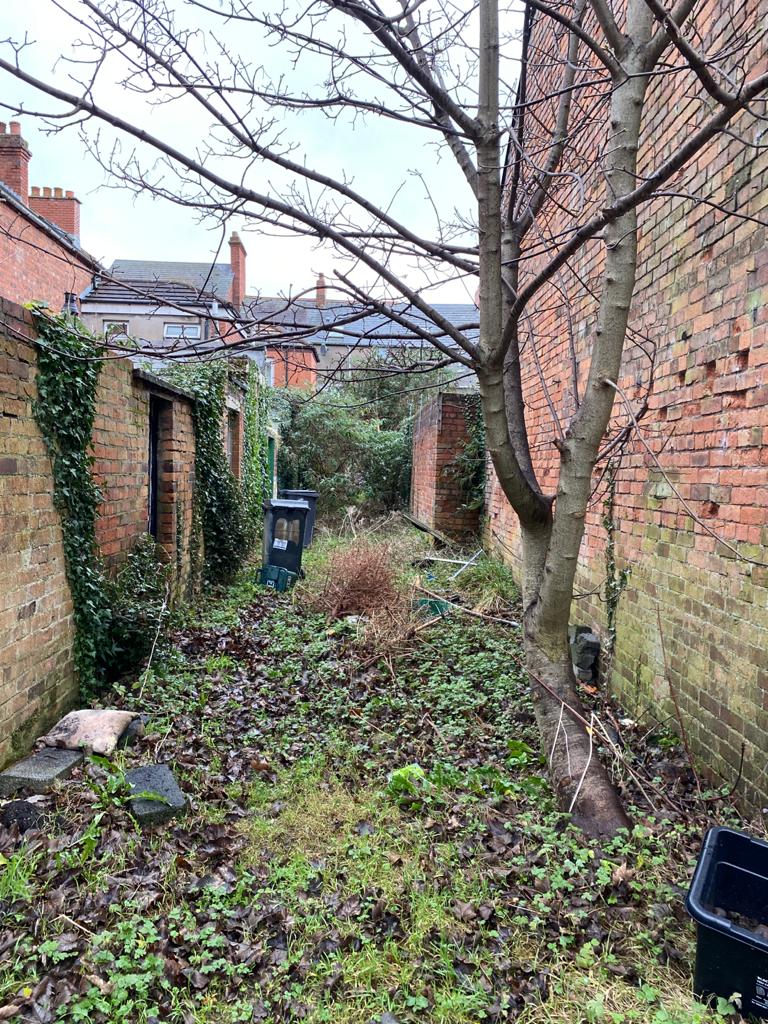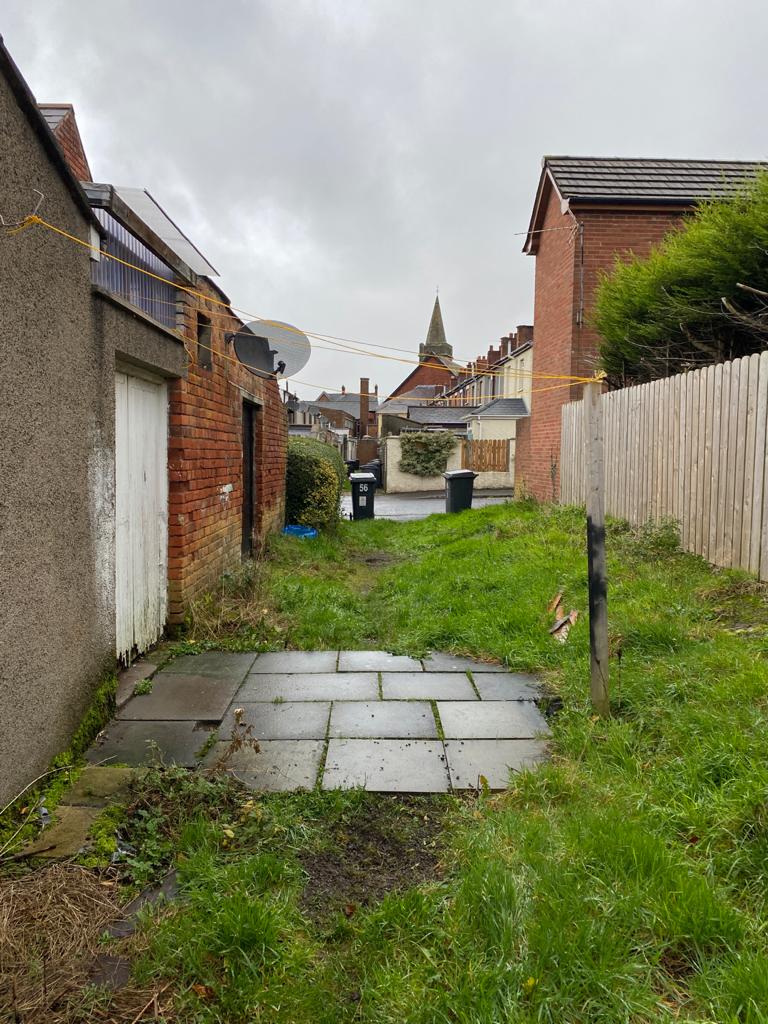
After our meeting with Housing Executive, we decide to focus on an area where we know they own the alleys.

1980s housing estate alleys, today. Alleys with gates lying ajar. We go inside and back out the same gate.
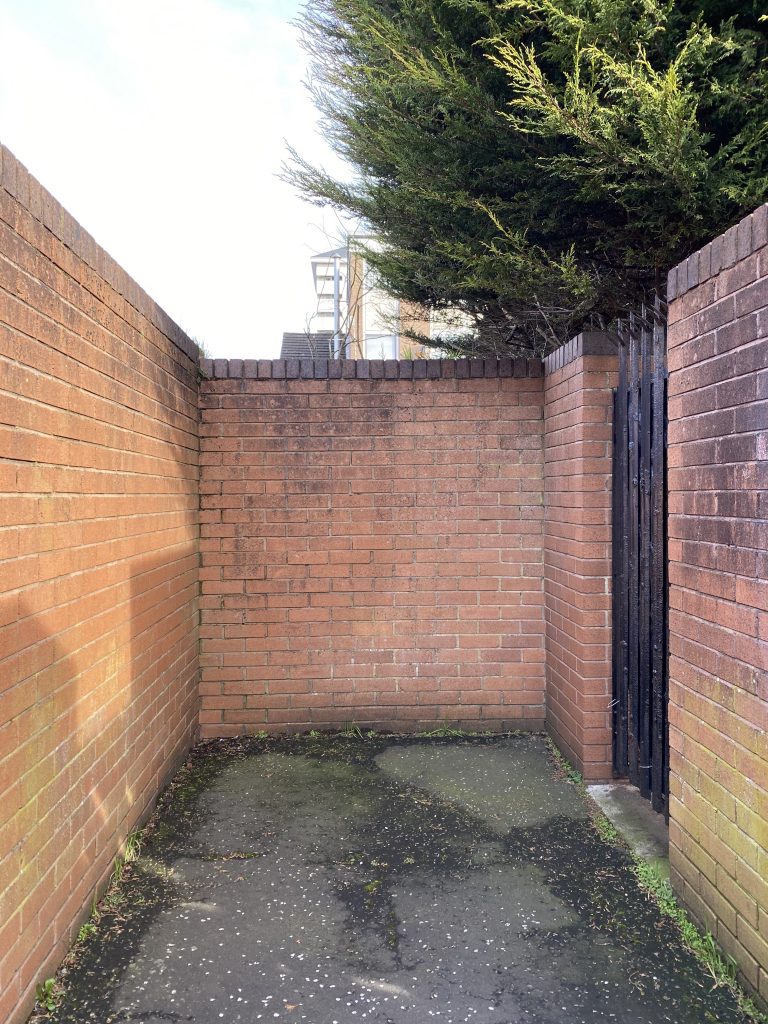
Wider alleys now. Are they alleys, though, these pedestrian streets we find ourselves on? On this experimental estate they are the front entrance to houses no car can reach. Not a back alley, then, but very much a front. Also an affront – there are no windows at ground floor level.
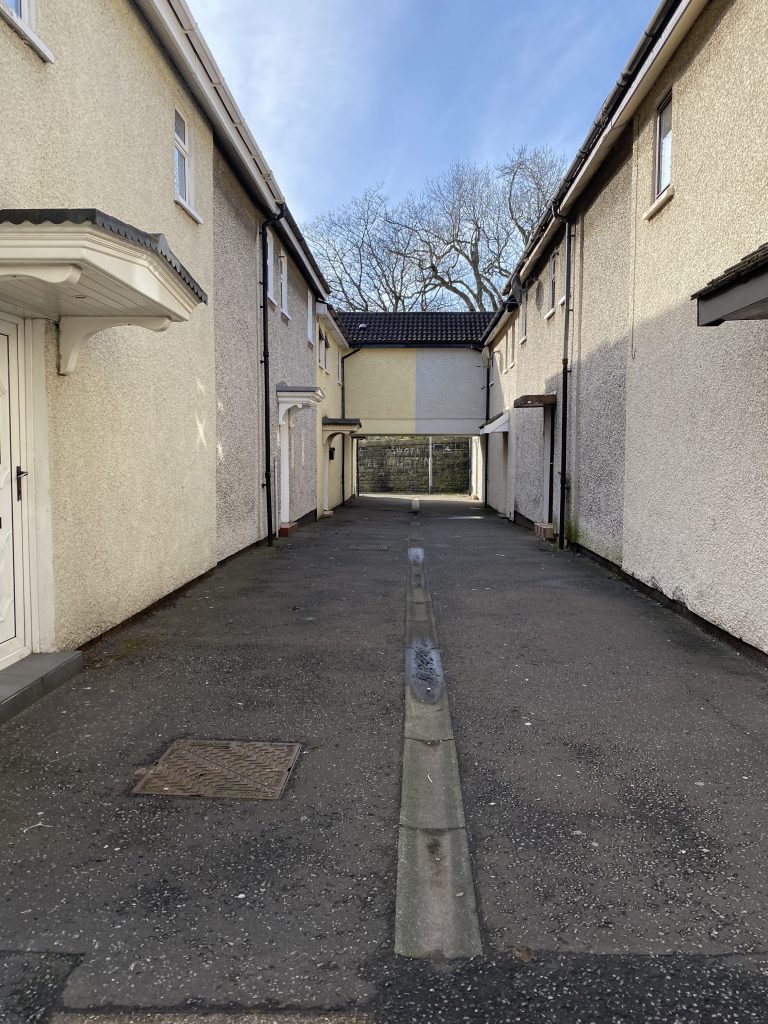
Disorientating, they all look very much the same. You could get lost here. Even where there are adjacent roads, the backyards face these and the houses turn instead towards the alleys. Introspective. Not much sign of life on these pedestrian streets. There is one grass green amidst them, three lonely trees and a low fence all the way round.
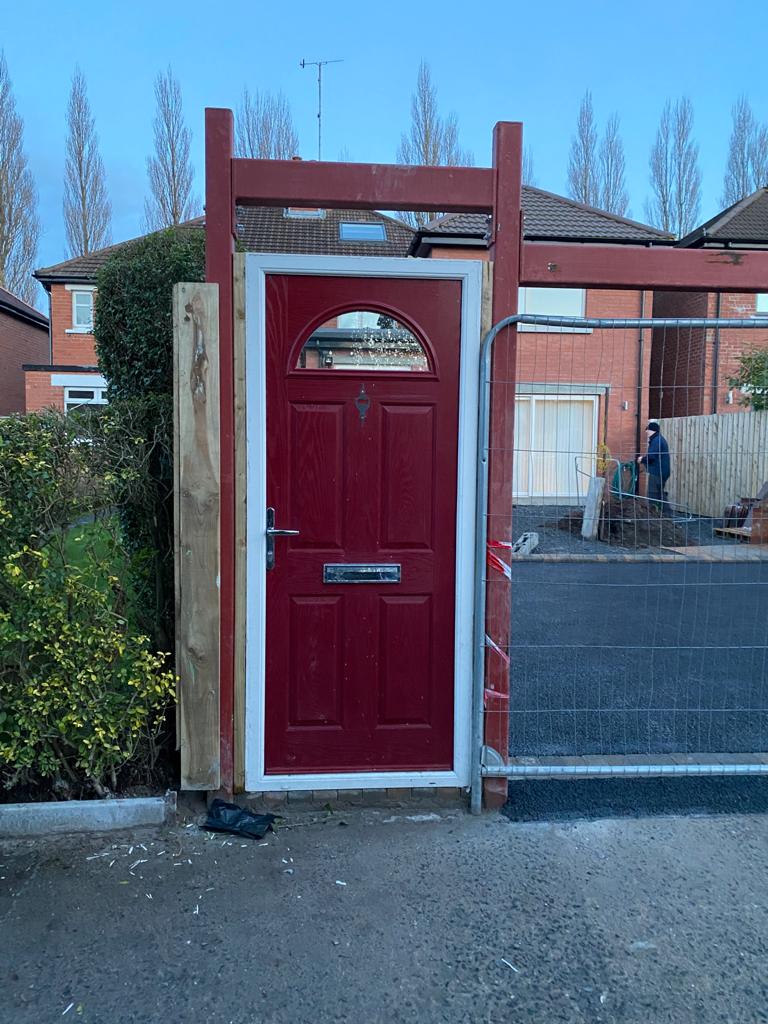
Concrete bollards to keep cars out. Oh wait, a makeshift gate to create a barrier.
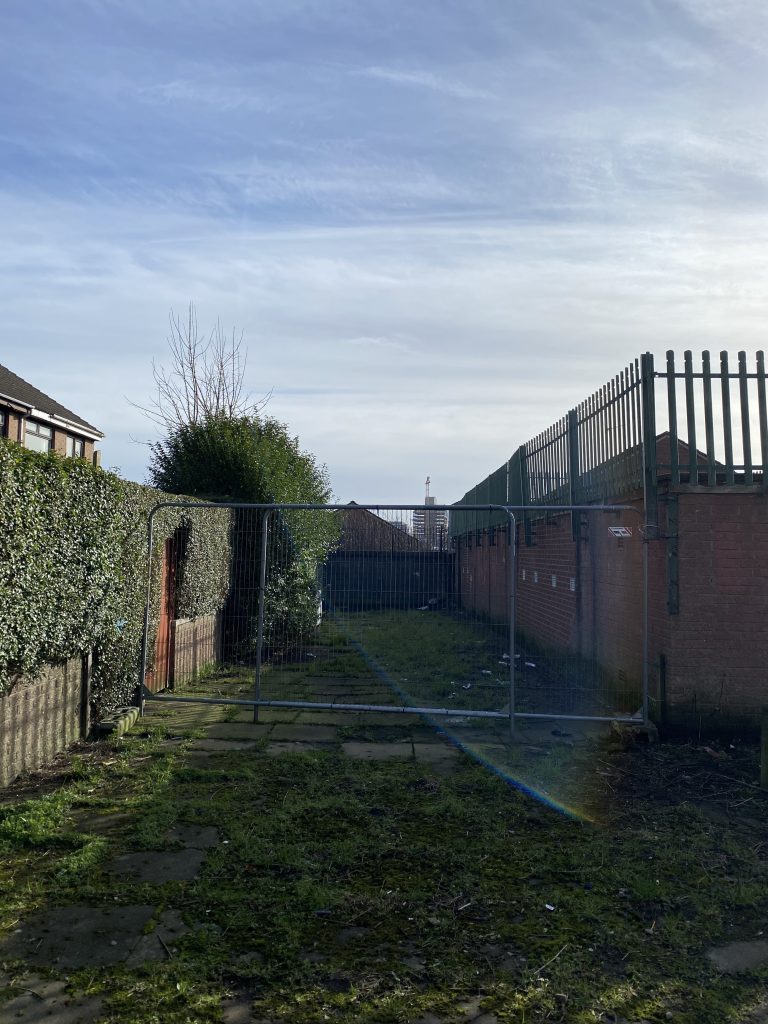
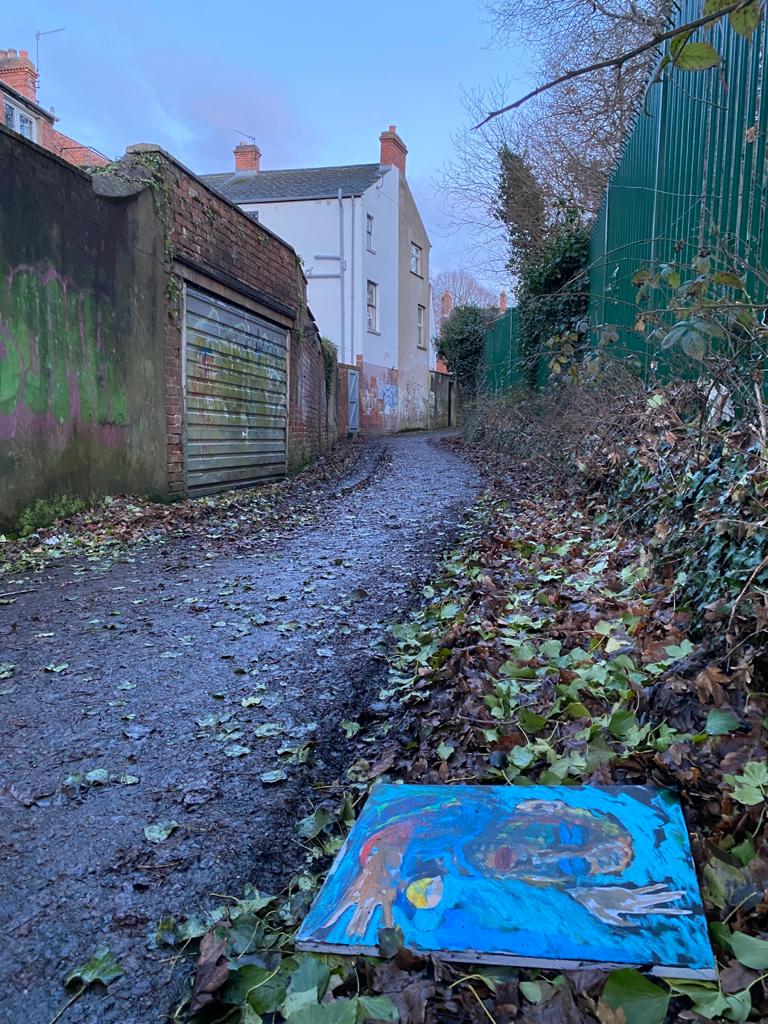
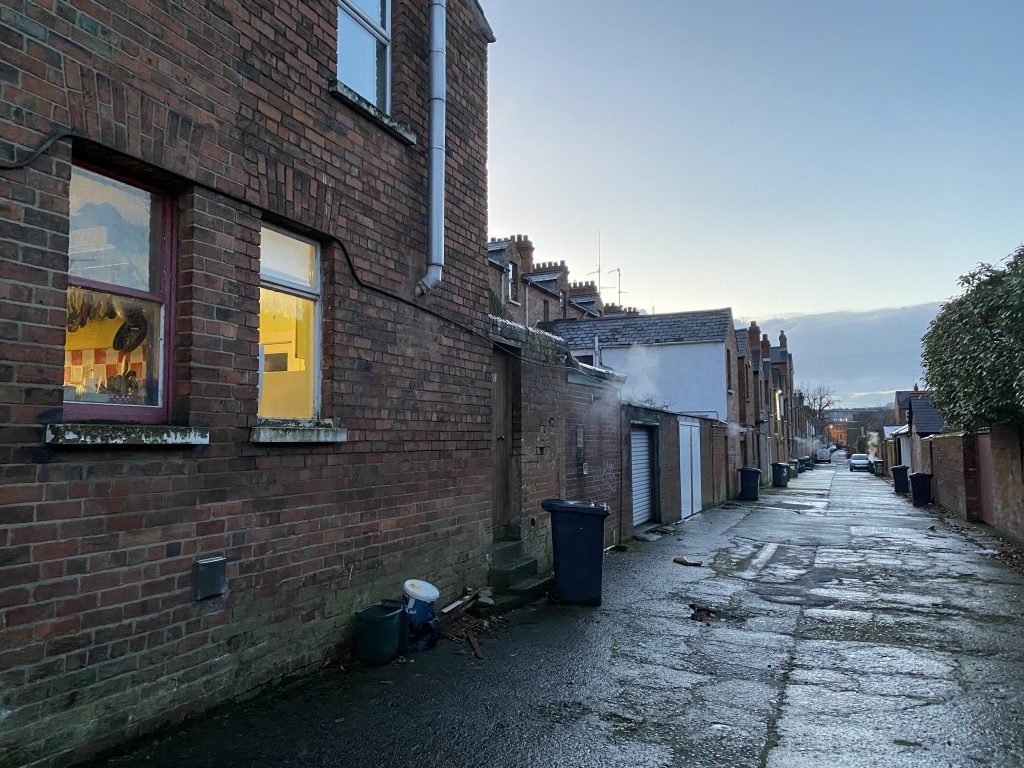
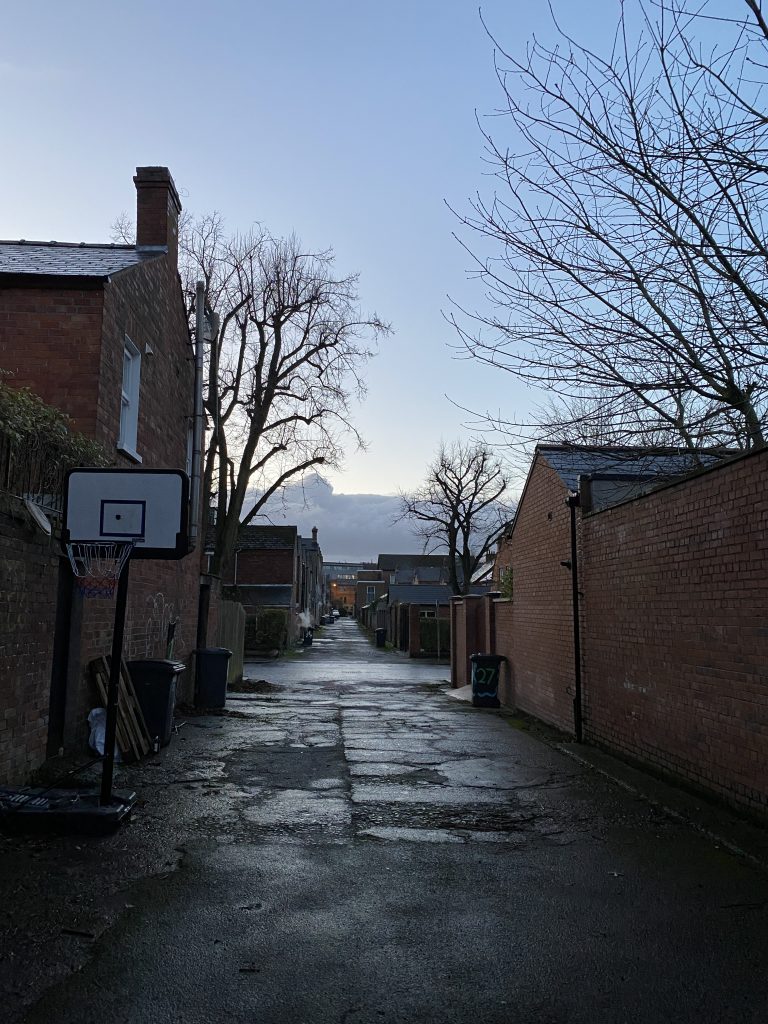
Past the highrise flats and into some proper back alleys. Many are dead ends with only one way in or out, and many have gates lying open without a lock.
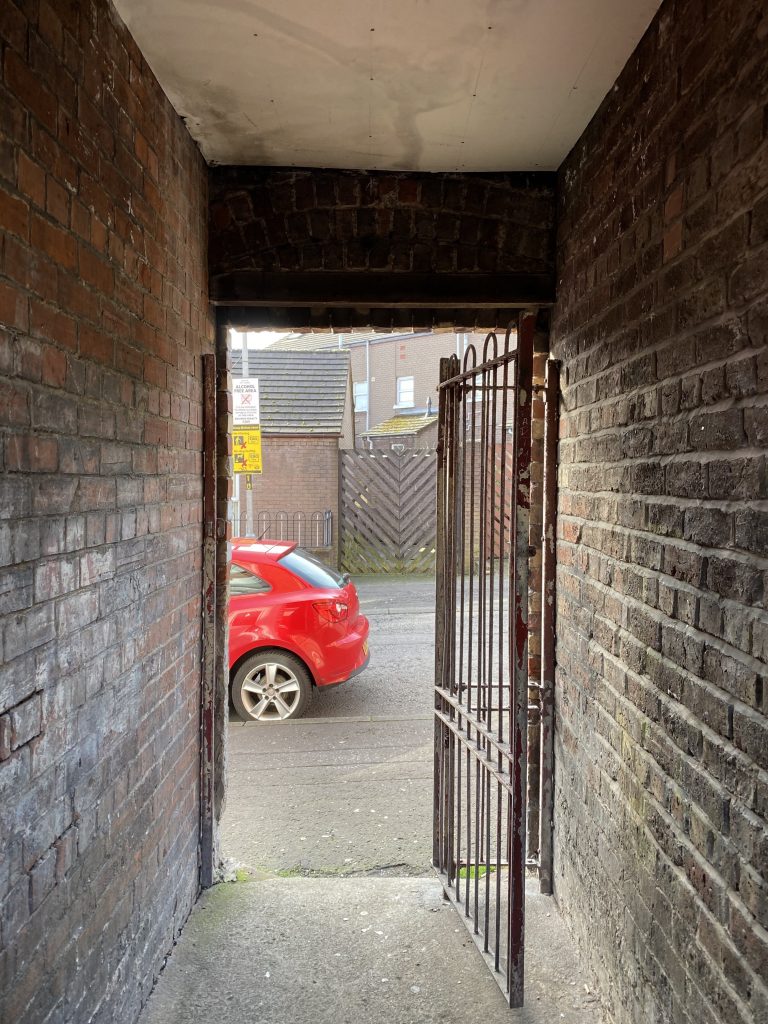
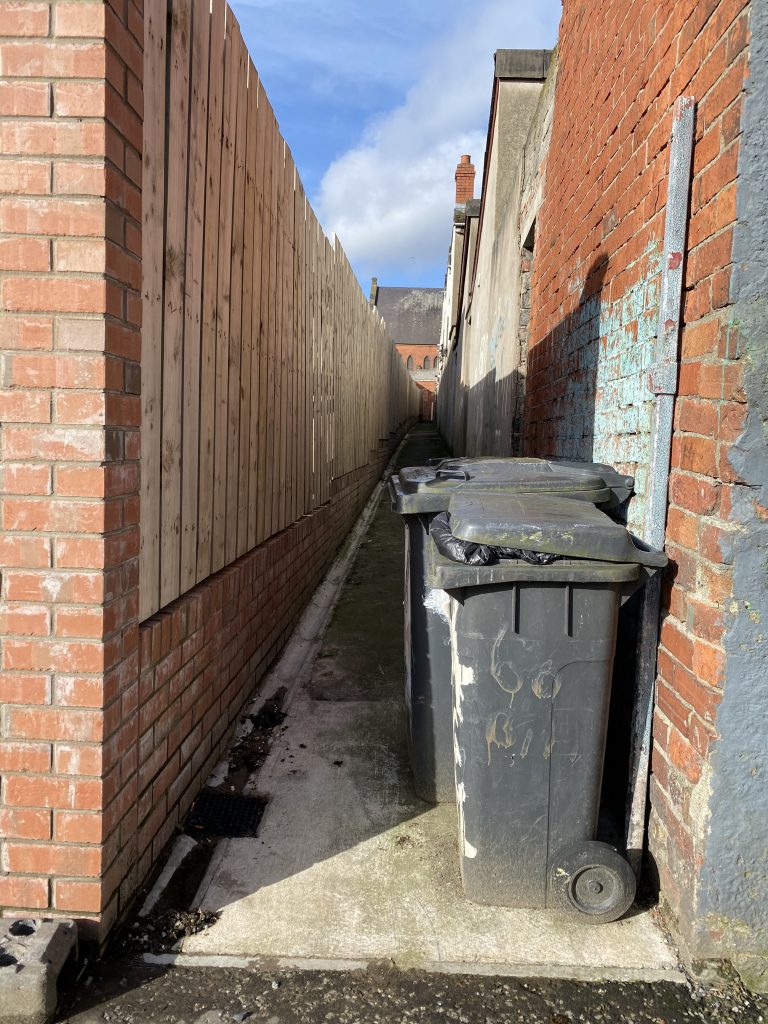
In other places gates padlocked or screwed permanently shut dictate our passage along the only route available to us. We reach some older houses with more typical back alleys, then, weaving our way in and out of interface gates along a peace line, and we check some of these out. ‘No Dumping Rubbish!!’, orders a brick wall – and it is heeded.
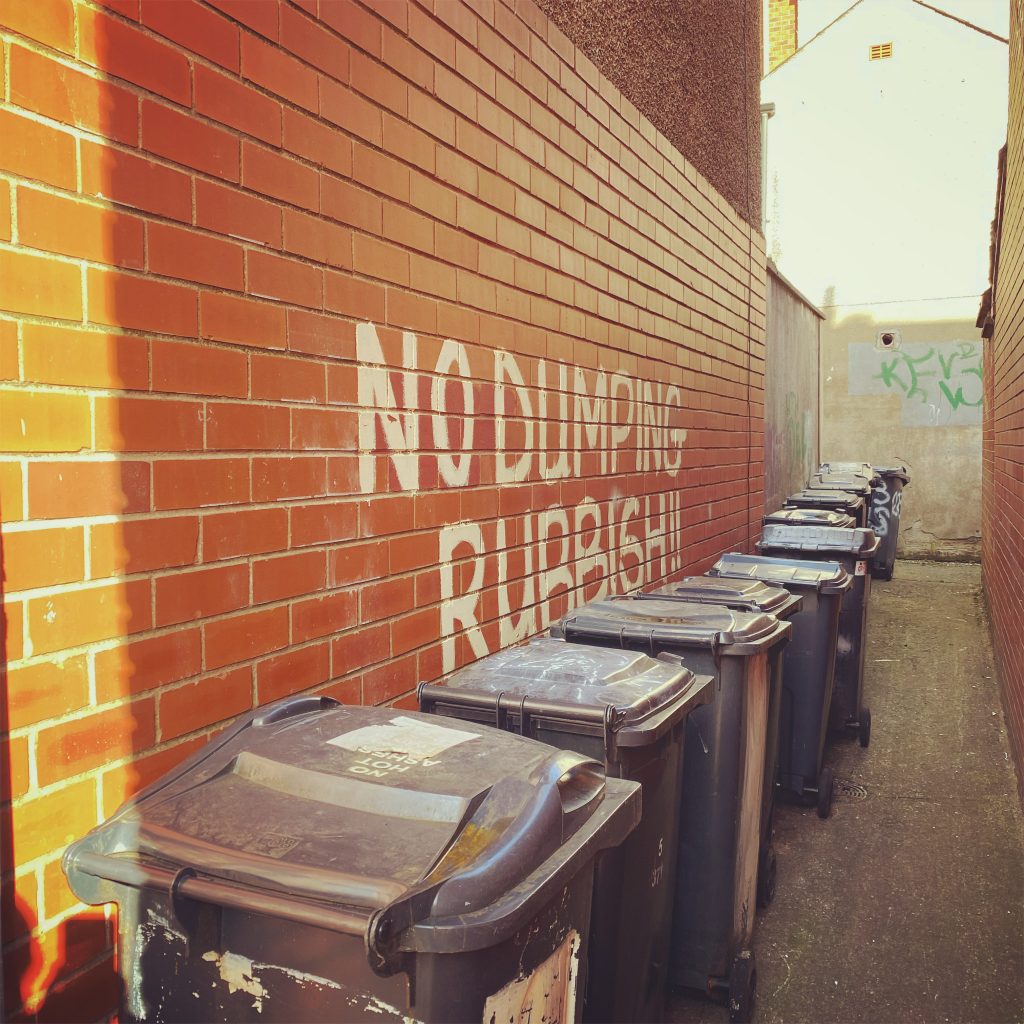

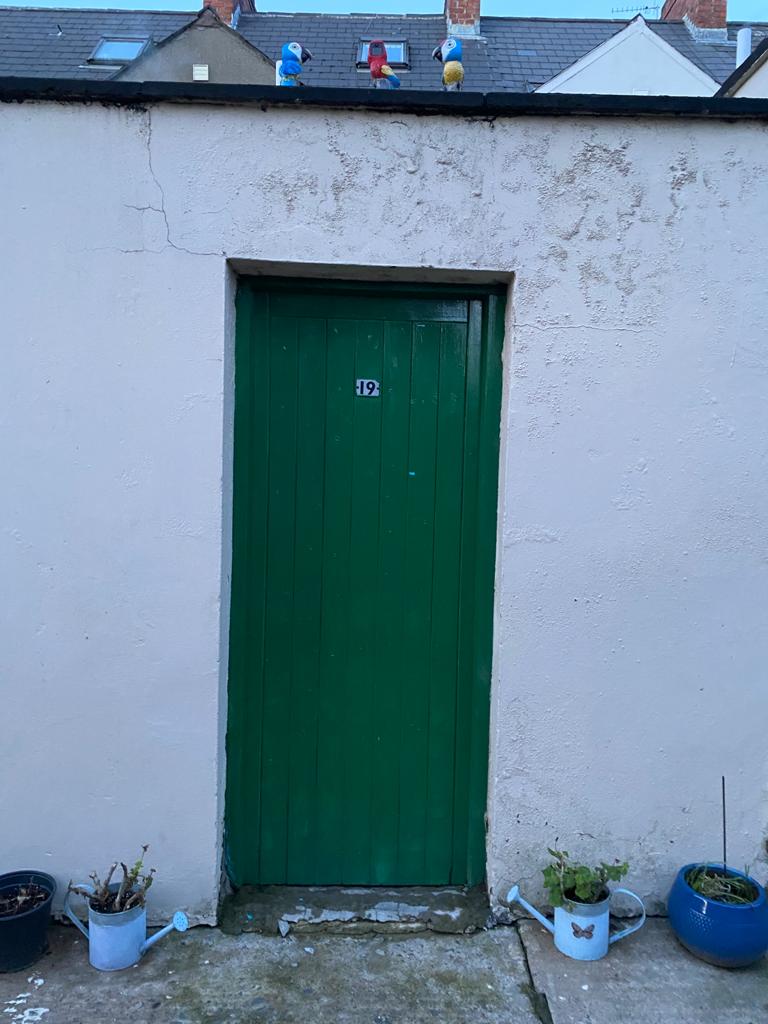
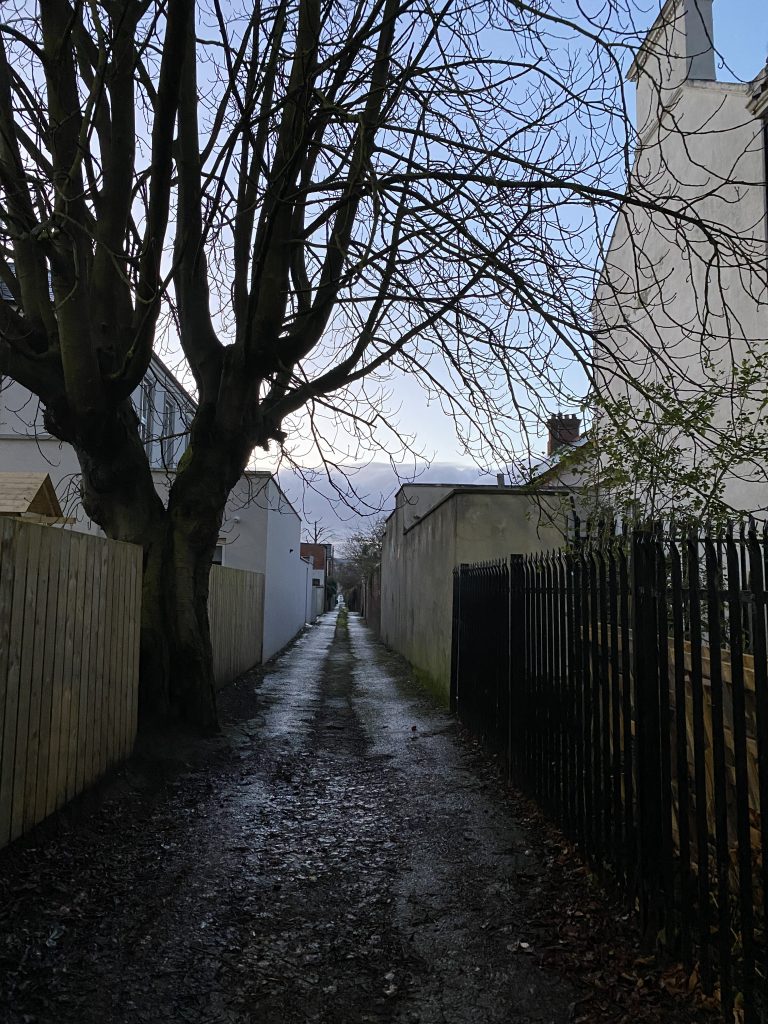
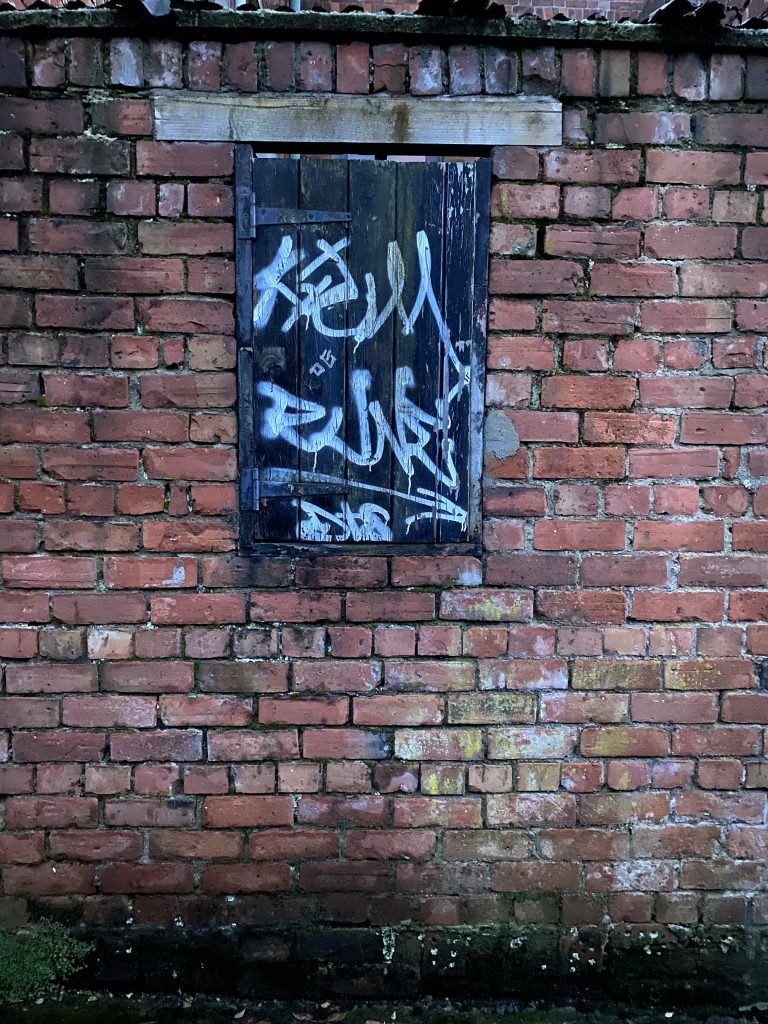
Red gates, black gates. They’re narrow, inviting alleys, quite tidy with little graffiti, personalisation or signs of life, save for ubiquitous dog poo and the bins, sitting expectantly at the ends, preparing to unload their burdens into the bin lorry.