Wild Belfast’s Tips for Welcoming More Biodiversity to Your Alley
We had an wonderful time collaborating with Wild Belfast during our Alley Safari back in May. Wild Belfast are a passionate group dedicated to conserving and enhancing Belfast’s natural habitats. They host ecological recording sessions, advocacy campaigns, and workshops to engage and empower local residents to protect the green spaces and wildlife that make our city vibrant and unique.
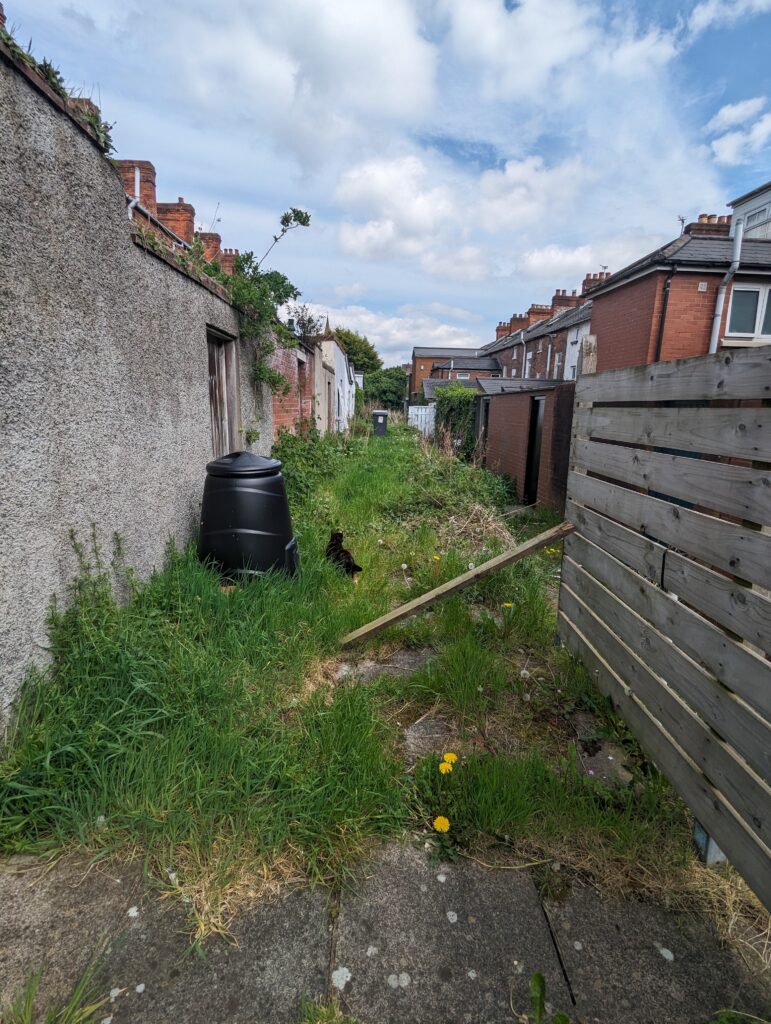
When it comes to increasing biodiversity in your alley, factors like sunlight, shelter, water availability, and surface materials can significantly impact what will thrive. Here are some tips and insights from Wild Belfast to help transform your alley into a haven for wildlife:
Start with the Ecological Context
Understanding the local environment is crucial. Wild Belfast suggests using resources like the Centre for Environmental Data and Recording (CEDaR) to identify the ecological characteristics of your area. This data can guide your decisions on what vegetation to plant and which features to install, helping you prioritize specific species and strategies tailored to your location.
Alternatively, Wild Belfast also have a membership strucutre if you want to stay up-to-date with their lastest projects and access the collective knoweldge of their members via their forum – another good starting point!
Green is Great—Native is Better
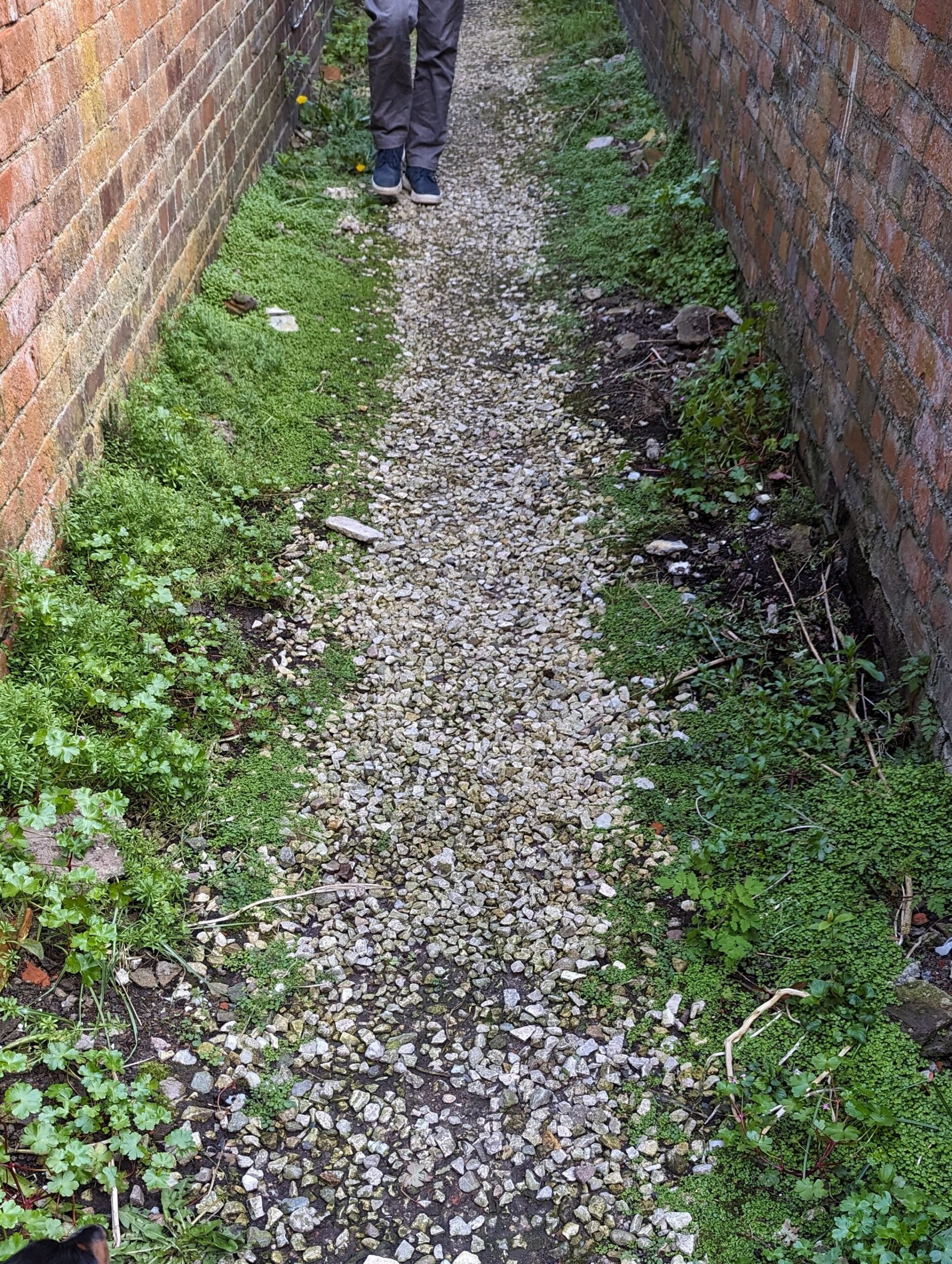
While any greenery is better than none, planting native species is the most effective way to support biodiversity. Native plants provide essential food and habitat for local wildlife throughout their life cycles.
Wild Belfast shares an example:
“Buddleia may be great for adult pollinators, but it doesn’t support the larval stages of any pollinator. The same applies to most non-native plants. Invertebrate larvae are often species-specific, depending on native plants like common nettles—which, while not a human favorite, are vital for many invertebrates.”
Balance is Key
It’s important to strike a balance between maintaining a tidy space and fostering biodiversity. Over-sanitizing urban areas can remove valuable habitats for wildlife. Wild Belfast reminds us:
“The presence of rats is more often linked to human waste rather than untidy vegetation. Managing this perception is essential to preserving biodiversity.”
Bees, Bugs, and Insects
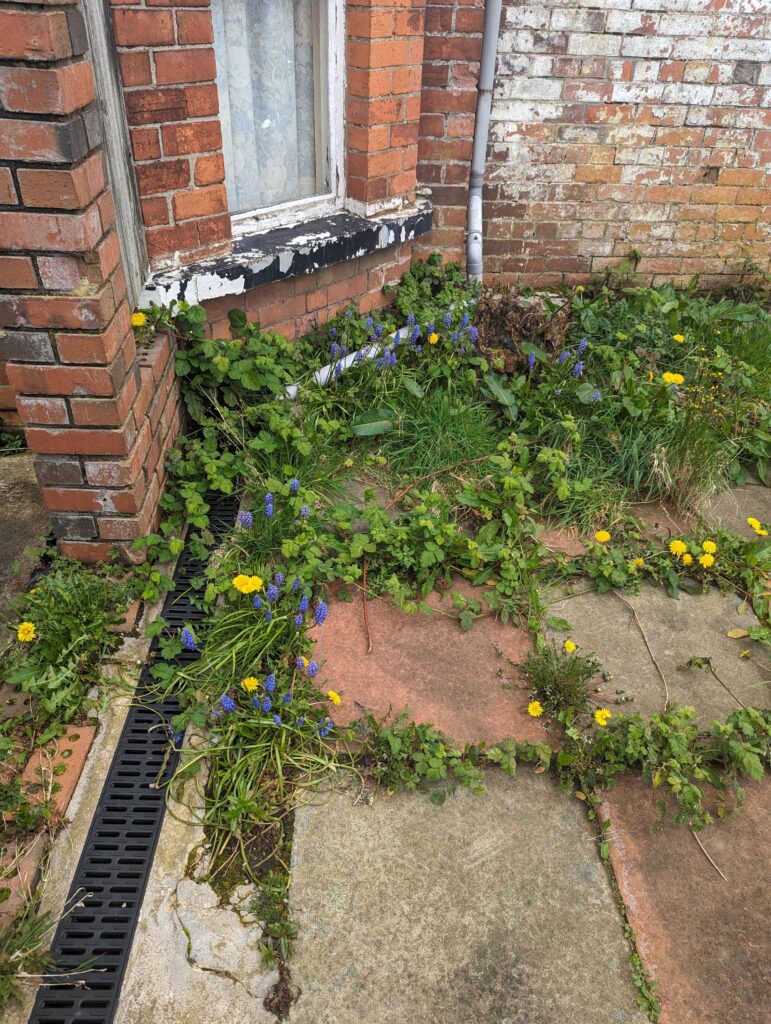
Insects are vital for pollinating urban plants and breaking down organic matter to enrich the soil. To support these minibeasts:
- Plant a variety of native flowering plants to provide food and shelter.
- Leave leaf litter and avoid pesticides to create safe spaces for insects to thrive.
Wild Belfast also emphasizes the importance of well-placed bug hotels:
“Bug hotels and bee homes should be placed in direct sunlight, as insects use the sun for warmth. They also need good foraging habitat within 1 km, or uptake will be limited. Beware of shallow store-bought bug hotels, as many are ineffective. For example, cavity-nesting bees need tunnels at least 15 cm deep to ensure proper nesting and population balance.”
Additionally, consider creating sandy substrates for mining bees, which lay their eggs in sandy soil. Wild Belfast advises against introducing honeybees as a biodiversity measure, noting that they compete with native pollinators and can pressure natural populations further.
Water Sources
We all know our plants need water but an accessible and open water source is invaluable—not just for birds to drink and bathe, but for supporting the life cycles of various species.
Wild Belfast highlights the benefits:
“In sunny, flower-rich spaces, water sources can quickly attract hoverflies, which are fantastic pollinators. Many hoverfly larvae are aquatic, so even small water features can make a big impact. While amphibians are unlikely to thrive in urban alleys due to predators like cats, water features will still significantly enhance invertebrate biodiversity.”
Birds and Bats
Birds and bats are more than just charming to watch or listen to—they play crucial roles in supporting urban biodiversity:
- Seed Dispersal and Pollination: Birds help pollinate flowers and disperse seeds, enabling native plants to thrive and regenerating green spaces.
- Natural Pest Control: Many bird species feed on insects and small pests, maintaining ecological balance and reducing the need for chemical pesticides.
- Connecting Habitats: Birds and bats encourage the development of parks, rooftop gardens, and tree corridors. These green spaces link fragmented urban habitats, supporting diverse wildlife populations.
Wild Belfast shares these practical tips for installing bird and bat boxes:
“Bird boxes should ideally be placed a minimum of 3 meters high—5 meters is optimal for all species, including bats. Avoid direct sunlight by placing boxes on north-facing walls or in shaded areas on east- or west-facing walls. If south-facing walls are the only option, make sure the boxes are shaded, such as under soffits or eaves.”
Remember. You don’t have to do everything all at once. Take action – Get started with small steps, every action you take creates a ripple.
If you are still looking for more ideas here are some addional resources recommended by Wild Belfast:
Landscaping and Biodiversity Guide for New Developments – Developed by Clúid Housing and approved by the All-Ireland Pollinator Plan this guide has lots of practical advice on native planting and leaving space for nature. Although it’s written with new developments in mind, there are plenty of ideas for reimagining existing spaces.
This online PDF Landscape and Urban Design for Bats, produced by the Bat Conservation Trust has some really useful information on designing habitats for bats and the insects they feed off.
Butterfly Conservation also got in touch to signpost some resources:
Butterflies and moths are sensitive indicators of the health of our environment. To help them, they encourage everyone to Create a Wild Space for butterflies and moths in whatever patch of space is available. Further info on wild spaces and the ongoing mapping project, here. See the below video as a good starting point for identifying differnt species: